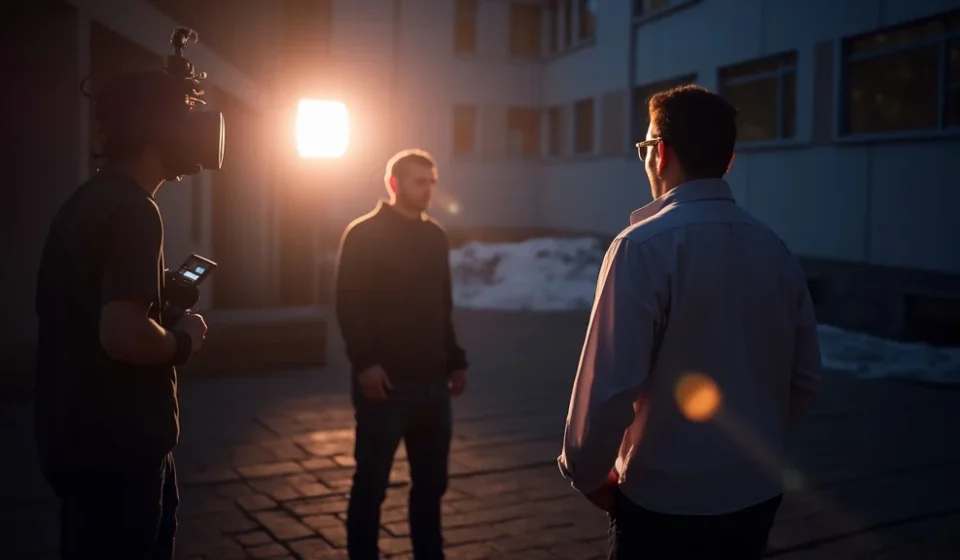

Remember the first time you held a video camera? Maybe it was at a birthday party, a school play, or just messing around with friends. The feeling of capturing a moment, of crafting a visual story, is something special. This guide is all about that feeling. We’re going to explore lights camera and action, breaking down everything you need to know, from the basics to some of the cooler techniques. By the end, you’ll be able to create better videos, understand the process, and maybe even start your own filmmaking adventures. This is your chance to step into the lights camera and action world and begin making your own videos!
Key Takeaways
- Learn the fundamental elements of video production, from pre-production to post-production.
- Discover the essential equipment needed to begin filming, focusing on budget-friendly options.
- Explore different types of shots, angles, and camera movements to enhance visual storytelling.
- Understand how lighting can significantly impact the mood and quality of your videos.
- Get insights into editing software and techniques to polish your final product.
- Gain valuable tips on sound recording and the importance of audio quality.
The Foundation of Filmmaking
Every great film, big or small, starts with a solid foundation. This is where you lay the groundwork for your entire project. It’s the pre-production stage, and it involves everything from the initial idea to the final plan before you start filming. Think of it as building a house – you wouldn’t start putting up walls without a blueprint, right? Similarly, you need a plan for your video before you even touch a camera. This involves everything from brainstorming your story to gathering your team and equipment. Let’s explore the core elements of this first phase.
Brainstorming and Storyboarding
The first step is always the idea. What story do you want to tell? What message do you want to convey? Brainstorming is all about getting those ideas flowing. Write down everything that comes to mind, no matter how silly it may seem at first. Once you have a few ideas, it’s time to refine them. Who is your audience? What is the main point of your video? Storyboarding is the next step. Create a visual plan, drawing simple sketches of each scene, with notes about the action, camera angles, and dialogue. This provides a clear roadmap for your shoot.
- Start by jotting down multiple ideas and selecting the most compelling one. This process may involve writing a script or even making rough notes.
- Visualize the flow of your video, scene by scene. Sketch out each shot, including camera angles and movement.
- Storyboarding helps prevent errors and ensures a smooth workflow during filming.
Scriptwriting and Planning
Once you have a story, write a script. A script is a roadmap for your actors, and the crew. You need to write down every single line of dialogue, as well as descriptions of what’s happening. Include the setting, the characters, and the actions that take place. Plan the resources. What equipment do you need? Where will you film? Do you need permits? Identify locations, props, and any special equipment required. The more prepared you are, the smoother your shoot will be. Good preparation will make the shooting phase much easier.
- Develop a detailed script, including dialogue, actions, and scene descriptions. This is your complete guide.
- Break down the script into individual shots.
- Create a shooting schedule, listing the scenes you’ll film each day. This also involves scheduling your crew, cast, and locations.
Assembling Your Team and Budgeting
Filmmaking is often a team effort. You may be doing everything yourself at first, but it can be helpful to enlist help. Consider your budget. How much are you prepared to spend? Even short videos incur costs. Allocate resources for equipment, locations, props, and any potential expenses, such as travel, or food for your crew and actors. Budgeting ensures that you stay within your financial limits. The production budget varies depending on the type of video, location, cast, and post-production work.
- Think about the people you need. Depending on your needs, you might need a camera operator, sound recordist, editor, or even actors.
- Create a realistic budget.
- Prioritize your spending. Determine where you can save money without sacrificing the quality of your video.
Essential Equipment for Lights Camera and Action
You don’t need expensive equipment to get started. While professional gear can produce higher-quality results, it’s not essential. There are many affordable options that can produce videos that look great. The important thing is to understand what tools you need and how to use them. Start with the basics and upgrade as needed. Remember, the best camera is the one you have, and the best way to get better is by making more videos. Let’s look at what you need to begin your lights camera and action journey.
Camera Choices and Considerations
The camera is the most important element of your kit. You can use your smartphone, a mirrorless camera, or a DSLR. Modern smartphones have excellent cameras capable of producing high-quality video. Mirrorless cameras and DSLRs offer more control over settings like aperture, ISO, and focus, and tend to have better image quality. Think about your goals. If you’re a beginner, a smartphone is a great starting point, and for more advanced needs, a mirrorless or DSLR can give you greater creative control. Choose your camera based on your budget and desired level of control.
- Smartphones are easy to use and convenient, making them ideal for beginners. They’re also great for taking videos on the go.
- DSLRs and mirrorless cameras provide greater creative control. The higher-quality sensors of these cameras offer greater image quality.
- Consider the resolution. 1080p is a good starting point, while 4K provides more detail and flexibility in post-production.
Sound Recording Equipment
Sound quality is just as important as the picture. Poor audio can ruin an otherwise great video. If you’re recording dialogue, an external microphone is a necessity. A lapel microphone is great for interviews, or a shotgun microphone works well for capturing sound. For basic recording, a built-in microphone on your camera might be adequate, but it’s always best to use an external mic to make sure your audio is clear. Clear audio dramatically improves the viewing experience.
- Invest in an external microphone. A lapel microphone clips onto your subject’s clothing and provides clear audio.
- Use a shotgun microphone. Shotgun microphones are excellent for recording audio from a distance and are commonly used in filming.
- Consider a recorder to capture high-quality audio independently.
Lighting and Stabilization Tools
Lighting can make a huge difference in the quality of your video. You can create different moods, using natural or artificial light. Stability is critical for smooth footage. A tripod is an essential piece of equipment for steady shots. If you want more dynamic shots, consider a gimbal or a slider. When it comes to lighting, start with inexpensive options like softboxes or reflectors to soften harsh sunlight. Stabilization will prevent shaky shots.
- Use a tripod. Tripods are key to keeping your video steady.
- Consider a gimbal. A gimbal is a motorized stabilizer that creates smooth, cinematic shots.
- Experiment with lighting.
Understanding the Language of Visuals
Lights camera and action is more than just turning on a camera. It’s about using various techniques to communicate your story effectively. Camera angles, movement, and shot types help you tell the story. These are the building blocks of visual storytelling. By understanding and mastering these tools, you can create more engaging and compelling videos. The right shot can create tension, convey emotion, or simply make your video more visually appealing. The way you frame and capture footage is critical for storytelling.
Shot Types and Framing
Shot types describe the different ways you frame a subject. A close-up emphasizes emotion, while a wide shot shows the environment. Understanding the difference is key to creating dynamic visual content. Your shot choices depend on the story you want to tell. Think about where you want to focus your viewers’ attention. Each type of shot offers a specific purpose and meaning. The most common shots are:
- The extreme wide shot is used to establish the setting.
- A wide shot shows the subject in its environment.
- A medium shot focuses on the subject, showing the head and upper body.
- A close-up is used to show emotion and reaction.
- An extreme close-up focuses on a small detail.
Camera Angles and Movement
Camera angles and movement add depth and interest. High-angle shots can make a subject appear small or vulnerable. Low-angle shots make a subject appear powerful. Camera movement, such as panning, tilting, and zooming, can also change the mood of the video. The way you move your camera can direct the audience’s attention and create a sense of realism, excitement, or tension. Experiment with different camera angles and movement. The angle of the camera alters the perception of the subject. Camera movement helps to keep the audience involved.
- High-angle shots can create vulnerability.
- Low-angle shots can create power.
- Pan, tilt, and zoom to create visual interest.
Composition and Rules
Composition is how you arrange elements within your frame. The rule of thirds is a key guideline. Imagine your frame divided into nine equal parts by two horizontal and two vertical lines. Place important elements along these lines or at the points where they intersect. This creates a visually balanced and appealing composition. Compositional choices are a key component to creating a visual narrative. By knowing the rules and using them effectively, you can make your videos more engaging and attractive.
- Follow the rule of thirds.
- Use leading lines to guide the viewer’s eye.
- Create depth by layering elements in your frame.
Mastering Lighting and Its Effects
Lighting is an essential component of filmmaking. It can change the mood, add dimension, and create visual interest. It is a critical element, because it has such a profound impact on the final product. Understanding how lighting works and how to use it is essential for creating high-quality videos. Proper lighting can transform a plain scene into something visually stunning. You can use natural or artificial light. By understanding these concepts, you can create videos that look more professional and enhance the narrative.
Natural Light and Its Uses
Natural light is available for free, and it can be beautiful. Shooting outdoors during the golden hour (the hour after sunrise or before sunset) provides soft, warm light that can create a beautiful mood. Be aware of the direction of the light. Avoid shooting in direct sunlight, which can create harsh shadows. Use available light to your advantage, and learn to make the most of it. Learn to work with natural light. The quality of light varies depending on the time of day and the weather conditions.
- Shoot during the golden hour.
- Use reflectors to bounce natural light and fill in shadows.
- Avoid shooting in direct sunlight.
Artificial Lighting Setups
Artificial lighting gives you more control over the look of your video. You can use softboxes to create soft light. You can use three-point lighting to create depth and dimension. Three-point lighting uses a key light, a fill light, and a backlight. Consider your budget when selecting equipment. The main components of a lighting setup are the key light, the fill light, and the back light. With artificial light, you’ll be able to create a professional look.
- Use softboxes or umbrellas to soften harsh light.
- Use three-point lighting.
- Consider the color temperature of your lights.
Color and Mood
Color is powerful. Different colors evoke different emotions. Warm colors create a sense of excitement and energy, while cool colors create a sense of calm and peace. The color palette of your video should align with the story you are trying to tell. Use colors strategically. Color also affects the mood of a scene. Adjust your color settings to create the desired mood. The choice of colors helps support your visual storytelling. Your color choices can greatly impact how your video is received.
- Use warm colors to create excitement.
- Use cool colors to create a sense of calm.
- Adjust your color settings to create the desired mood.
The Art of Post-Production
Once you’ve captured your footage, the work doesn’t stop. Post-production is where you take your raw footage and turn it into a finished video. This involves editing, adding sound, color correction, and exporting your final product. In post-production, you’ll refine your video. By mastering these skills, you can enhance the quality of your videos. With good post-production techniques, you can make your video look and sound amazing. This is where you bring everything together.
Video Editing Software
Choosing the right video editing software is important. There are many options, from free software like DaVinci Resolve to paid options like Adobe Premiere Pro. DaVinci Resolve is a powerful program, and it’s free, making it ideal for beginners. Video editing software provides tools for cutting, trimming, and arranging video clips. When selecting software, consider your budget and the features you need. All you need is the right tools, and a little practice. Consider a user-friendly program. Editing is an essential stage for refining your content.
- Consider your budget.
- Explore free software.
- Learn the basics of editing.
Editing Techniques
Editing is more than just cutting clips together. It’s about storytelling. Use cuts, transitions, and effects to create an engaging video. Experiment with different transitions, such as fades and cross-dissolves. When you edit, start with the basics. Practice the core skills of editing: cutting, trimming, and arranging clips. Refine your editing skills. This includes using cuts, transitions, and effects. The editing process is the art of telling a story visually. Use cuts, transitions, and effects. Your editing style will add the finishing touches.
- Use cuts, transitions, and effects.
- Start with the basics.
- Practice.
Adding Sound and Color Correction
Sound and color correction are critical elements of the editing process. You can use editing software to adjust the color of your footage. Color correction can improve the look of your video, and make it look more professional. Improving your audio will have a large effect on the viewer’s experience. It also allows you to make your footage more visually appealing. Adding sound and color enhances the viewer’s experience and ensures a polished final product. These two steps are essential in producing a polished final product.
- Adjust the color.
- Improve your audio.
- Experiment.
Common Myths Debunked
Myth 1: You need expensive equipment to create professional videos.
The reality is that while professional equipment can produce high-quality results, it’s not the essential element for creating good videos. Many successful filmmakers have built their careers using simple and cost-effective equipment like smartphones, DSLRs, and readily available lighting kits. What truly makes a video stand out is storytelling, creativity, and the application of fundamental techniques. With the right techniques and a clear vision, you can produce compelling videos, regardless of your budget. Many successful videos have been made using the equipment you already have.
Myth 2: Editing is only about trimming and arranging clips.
Editing is so much more. Trimming and arranging clips are just the starting point. It’s about shaping the narrative, creating the right pace, and building emotional connections with viewers. Skilled editors use a variety of techniques to enhance the storytelling aspect, including transitions, color correction, sound design, and the use of special effects to enrich the visual narrative. Video editors have a critical role to play in the final product. Every edit is a part of storytelling.
Myth 3: You can fix bad footage in post-production.
While post-production can make improvements to your video, it can’t completely fix poorly captured footage. Problems like poor lighting, shaky camera work, and bad audio are difficult to fix in post-production. Proper planning and capturing quality footage during the shoot is key. The more work you do at the shooting phase, the better the final result will be. Taking the time to set up your shots properly will save time and energy. It will also help improve the end result.
Myth 4: You need to be an expert to use video editing software.
Modern video editing software is user-friendly, with many tutorials and resources available online. While professional software might seem complex at first, most programs offer basic functionality and intuitive interfaces, making it simple for beginners. You can start with basic editing techniques. With practice, you can learn all the skills you need. Even complex software can be learned by watching online tutorials.
Myth 5: It’s impossible to make a video go viral.
Creating content that goes viral is not impossible. It’s unpredictable. However, there are things you can do to make it more likely. Viral videos are generally creative, and they stand out from the crowd. Understand your target audience. You need to create content that resonates with them. Promotion is key. Share your video on social media and engage with your viewers. Good content is key to going viral. There is no guaranteed formula for success.
Frequently Asked Questions
Question: What is the rule of thirds in filmmaking?
Answer: The rule of thirds is a compositional guideline where you divide your frame into nine equal parts using two horizontal and two vertical lines. You position key elements of your shot along these lines or at the points where they intersect, creating a more visually balanced and engaging composition.
Question: What’s the difference between a shot and a scene?
Answer: A scene is a series of shots that depict a continuous action taking place in a specific time and place. A shot is a single, uninterrupted recording from the time the camera starts rolling to the time it stops. Scenes are made up of multiple shots.
Question: What does “golden hour” refer to in filmmaking?
Answer: “Golden hour” is the period shortly after sunrise or before sunset. During this time, sunlight is soft, warm, and often produces beautiful, diffused lighting. It’s often used to give a shot a romantic or dreamy feel, making it great for outdoor shooting.
Question: What’s the best way to avoid shaky video footage?
Answer: The best method to prevent shaky footage is to use a tripod or a stabilizer, such as a gimbal. If you don’t have these, try leaning against a wall or resting your camera on a stable surface for support, or holding it with both hands to stabilize your shot.
Question: Is it necessary to write a script for every video?
Answer: Scriptwriting is a good idea for any project that involves a spoken narrative or set action. For simple videos or tutorials, a detailed script is not always needed, but a script helps with planning and ensures that your message is clear and concise.
Final Thoughts
Lights camera and action. You now have a solid foundation for video creation. From basic equipment to understanding shot types, editing techniques, and lighting, you’re better prepared to create videos. Start small, experiment, and don’t be afraid to make mistakes. Each video you create is a chance to learn and grow. Practice, and try new approaches. Remember that the greatest tool is your imagination. You are in control of the story you’re telling. Keep creating and keep improving. Now go out there and bring your vision to life!


