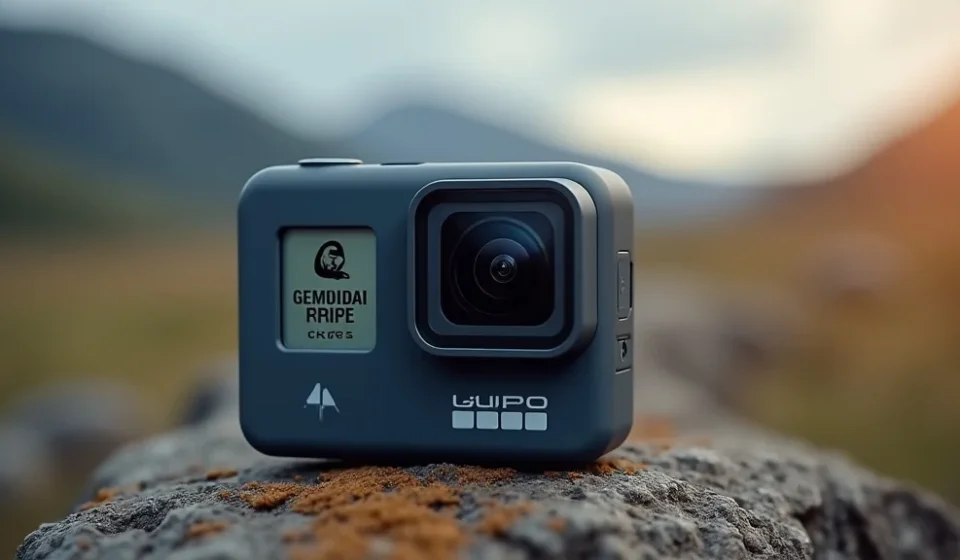

Remember that time you tried to capture a stunning mountain bike ride, only to end up with shaky, blurry footage? Or how about that epic snorkeling adventure where your phone just wouldn’t cooperate? Frustrating, right? That’s where action cameras shine. They’re specifically built for those moments, those adventures, and the kind of high-octane fun that standard cameras often can’t handle. This guide will help you explore what action cameras are, what they do, and how you can use them to capture your best memories.
Key Takeaways
- Discover the core features and design of action cameras.
- Learn about the key features that set action cameras apart.
- Explore diverse applications for action cameras, from sports to everyday use.
- Understand the factors to consider when choosing the right action camera.
- Explore accessories and upgrades to enhance your action camera experience.
- Find out how to improve the quality of your action camera recordings.
Unpacking the Essentials: What Are Action Cameras?
Action cameras are compact, durable, and highly versatile digital cameras. They are engineered to record video and capture photos in extreme environments. They are the ideal tool for capturing high-definition video and photos while you are engaged in activities.
The core concept behind an action camera is straightforward. They’re built to be small, lightweight, and tough. They can withstand impacts, water exposure, and varying temperature conditions. Think of them as your reliable sidekick for any adventure, ready to record every moment.
Core Design and Features
Action cameras boast a distinct design, diverging from traditional cameras. Their compactness is a defining characteristic, often fitting comfortably in the palm of your hand. Their simplicity is another key element, facilitating easy operation even while engaged in sports or other activities. Action cameras typically include a wide-angle lens, allowing them to capture a broader perspective, which is important for action photography. They also include features like image stabilization and Wi-Fi connectivity.
- Compact Size: The small size of action cameras makes them easy to mount on various objects, such as helmets, bikes, or surfboards. This allows users to record hands-free.
- Durability: Action cameras are constructed from durable materials and designed to withstand environmental factors, such as water, dust, and shock. This means you can use the camera in difficult conditions.
- Wide-Angle Lens: The wide-angle lens captures a broader field of view, ideal for recording sports and scenic vistas. This lens is very important for recording action as it enables more of the surroundings to be captured.
- Image Stabilization: Many action cameras include image stabilization technology to reduce the impact of shakes and vibrations. This results in smoother videos.
- Connectivity: Most action cameras include Wi-Fi and Bluetooth connectivity, enabling users to easily transfer files. The cameras can also be controlled by a smartphone.
The compact design of an action camera is a huge advantage. Its portability enables you to record from angles that are not possible with traditional cameras. The action cameras are also less obstructive.
A key feature of the design is ruggedness. This makes the camera ideal for outdoor sports. Many models are waterproof without requiring any additional housing. The ruggedness ensures that your camera can endure the challenges of adventurous activities.
This wide view creates a more immersive viewing experience. The wide-angle lens also helps with image stabilization as it can reduce the impact of small movements.
Image stabilization ensures that the footage is more stable. This feature is especially useful when recording in motion, such as during bike rides or running.
Connectivity makes it easy to share content quickly. You can easily share your adventures on social media platforms. The ability to control the camera via a smartphone also makes it easier to use.
The Evolution of Action Camera Technology
From their initial release, action cameras have seen rapid advances in terms of their capabilities. The earliest models were great for capturing standard definition videos, but they lacked some important features. Modern action cameras can record in high resolutions such as 4K or 5K. They include improved image stabilization, better low-light performance, and have enhanced connectivity options.
The first action cameras were designed for documenting extreme sports activities. They included a small, rugged design with the ability to record video. Today, the design has become more versatile, with the cameras being used for vlogging, travel, and even professional film. The introduction of features like touchscreen displays, voice control, and advanced sensors have increased the appeal and ease of use.
- Resolution: The first action cameras recorded in standard definition. Now they can record in high resolutions such as 4K and 5K. This provides more clarity and detail in the videos.
- Image Stabilization: Early action cameras had limited image stabilization. Now, most include advanced technologies such as electronic image stabilization (EIS) or optical image stabilization (OIS).
- Connectivity Options: The first action cameras used basic connectivity. Now, the cameras support Wi-Fi, Bluetooth, and even GPS. This makes it easier to transfer files.
- User Interface: Older models used simple button controls and limited displays. Now, most cameras include a touchscreen display, voice control, and smartphone integration.
Higher resolutions allow for improved video quality. Higher resolutions also allow for easier editing and cropping of the footage without loss of quality.
These advanced technologies reduce the impact of shaking and vibrations. This provides smoother footage even in difficult conditions.
These connectivity options have made it easy to share content and control the camera remotely. These features have been important to the popularity of action cameras.
These user interface improvements have made the cameras more simple to operate. They have also improved the user experience.
Key Features That Make Action Cameras Stand Out
Several key features distinguish action cameras from traditional cameras and other devices. Their focus on durability, image stabilization, and various shooting modes makes them special.
These unique features are not just design choices. They are essential to ensure that the cameras can operate successfully in challenging environments. These elements ensure that the cameras perform in an efficient way.
Durability and Ruggedness
The ability to withstand harsh conditions is one of the most important aspects of action cameras. They’re designed to endure drops, water exposure, extreme temperatures, and impacts. The design makes action cameras ideal for recording in outdoor activities.
The casing is typically constructed from high-quality materials to protect internal components. The sealing is designed to prevent water and dust from entering the camera. The internal components are also designed to be shock-resistant.
- Waterproof Design: Many action cameras are waterproof without any additional housings. This allows you to use the camera for water sports.
- Shock Resistance: Action cameras are constructed to withstand impacts from drops. This is especially important for activities such as mountain biking or snowboarding.
- Temperature Resistance: Action cameras are designed to operate in a wide range of temperatures. This ensures that they can be used in different climates and conditions.
- Dust and Debris Protection: The cameras are designed to prevent dust and debris from getting inside. This helps maintain image quality and preserve the camera’s internal components.
Waterproof design removes the need for extra accessories. This gives a simpler setup for water-based activities.
Shock resistance protects the camera from damage if it is dropped. This increases the camera’s longevity.
This temperature resistance helps ensure that the camera can be used across various environments.
This protection helps to maintain the camera’s image quality. It also increases the lifespan of the camera.
Image and Video Quality
Modern action cameras provide high-quality video recording capabilities. The high resolution of 4K or 5K allows for detailed recordings. These cameras offer a good dynamic range, resulting in balanced images in varying lighting conditions.
The quality of the image sensor and lens is critical. Advanced image stabilization systems also help to reduce the blur of the videos. The image quality features in these cameras provide a good overall experience.
- High Resolutions: Many cameras record in 4K or 5K. This provides outstanding detail and sharpness in videos.
- Frame Rates: High frame rates, such as 60 or 120 frames per second, enable smooth slow-motion videos. This allows for creative effects.
- Image Stabilization: Technologies such as EIS and OIS help to reduce shakes and vibrations. This helps create steady videos.
- Dynamic Range: A good dynamic range ensures that you can record both bright and dark areas. This leads to well-balanced, high-quality images.
High resolutions let you record detailed video. This means you can also crop and edit videos without losing quality.
High frame rates help you to capture smooth slow-motion video. This lets you capture and analyze the details of fast-moving actions.
Image stabilization makes the videos easier to watch. This technology helps ensure that your footage is clear and professional-looking.
The dynamic range captures a great range of light levels. This provides more accurate and appealing images.
Shooting Modes and Features
Action cameras include various shooting modes to accommodate different types of activities and settings. These modes make the cameras more adaptable to meet the needs of each activity.
These features improve the versatility of the cameras. Advanced features such as time-lapse and looping video add value to their use. The adaptability helps in different shooting environments.
- Video: Standard video recording is the primary function, providing high-quality footage. Action cameras are excellent for recording any type of action.
- The cameras can take great still photos, offering a quick way to capture moments. Many models can take excellent still photos, often with a high resolution.
- Time-Lapse: Time-lapse mode creates videos from a series of photos. This mode is excellent for capturing slow changes over time, like the sunrise or sunset.
- Looping: Looping mode continuously records video, overwriting the oldest footage when the storage is full. This feature is useful for capturing important moments.
- Slow-Motion: High frame rates enable the recording of slow-motion videos, which can give the dramatic impact of action. Slow motion gives a fresh perspective on action.
Video recording is the basic function of the cameras. The quality of the video is suitable for a range of activities.
The ability to take still photos offers versatility. It gives users the capability to capture specific moments in time.
Time-lapse mode provides a different perspective of events. This mode is a great tool for capturing events over a long time.
Looping mode is good for capturing events without needing to manage storage. This is excellent for constant recording situations.
Slow-motion allows users to see the details of events that may happen too quickly to catch otherwise. This mode can also add a creative touch to your videos.
Diverse Applications for Action Cameras
The compact design, durability, and versatility of action cameras make them perfect for a wide range of activities. Their ease of use and ability to capture high-quality video in difficult conditions have made them popular.
These applications underscore the usefulness of action cameras. They’re valuable for both professional and personal use. They can record various events for sharing and documentation.
Extreme Sports and Outdoor Adventures
Action cameras were created for capturing extreme sports. The cameras are designed to withstand challenging environments and capture the action. The rugged design and stability provide an amazing performance in high-impact situations.
The durability of the cameras is an essential element in sports like surfing, mountain biking, and snowboarding. They are also designed to be mounted on helmets, bikes, or other gear to capture a first-person perspective. The features make them perfect for recording.
- Surfing: Action cameras are used to record surfing. They are often mounted on surfboards or helmets.
- Mountain Biking: Action cameras are used for recording mountain bike trails. The cameras are often mounted on handlebars or helmets.
- Snowboarding and Skiing: Action cameras are utilized to capture the action in these activities. They’re often mounted on helmets or chests.
- Rock Climbing: Cameras can record climbs. The compact size of the action camera is good for this kind of sport.
The camera’s waterproof design makes it suitable for use in the surf. This helps to capture amazing videos.
The image stabilization and shock resistance are valuable features when biking. These factors help to create a good video.
The ability to capture in low light is important on the slopes. This allows for stunning video recording.
The small size is useful when it is mounted on a climber. This enables the climber to capture a first-person view.
Travel and Vlogging
Action cameras are also used for travel and vlogging. Their small size and portability make them ideal for capturing moments while exploring the world. Their ability to record high-quality video and photos makes them great for creating travel content.
The ease of use and various mounting options make them suitable for many scenarios. Many action cameras include features like time-lapse and slow-motion video recording. This adds an additional dimension to the content.
- Travel Diaries: Action cameras can be used to record travel diaries. They capture many aspects of a trip.
- Vlogging: Action cameras are good for vlogging. They can be mounted on various items.
- Underwater Exploration: Many action cameras include waterproof housings. This enables the user to record underwater.
- Scenic Views: The wide-angle lenses of action cameras are great for capturing expansive views. This helps to show scenic beauty.
The compact size and ease of use of action cameras make them good tools for travel diaries. They can be mounted almost anywhere.
The high-quality video and easy-to-use features help in creating engaging content. You can capture many moments during your travels.
Underwater recording opens up many possibilities. This allows you to explore and document marine environments.
The wide-angle lens captures more of the scene. This captures the views and the activities you are taking part in.
Everyday Use and Creative Projects
Action cameras have many uses that go beyond extreme sports and travel. They are versatile for creative projects and everyday usage. They’re suitable for capturing moments and creating unique content.
The small size, simplicity, and flexibility of action cameras are useful for various activities. They also make a good choice for people wanting to add a creative element to their everyday life.
- Family Events: Action cameras capture family gatherings and events. They can easily be set up to record.
- Creative Projects: Action cameras can be used in creative projects. They have features such as time-lapse and slow-motion.
- Dash Cams: Action cameras can be used as dash cams. They’re small and can easily be mounted on the windshield.
- Security: Action cameras can be used for security purposes. They can be mounted in strategic locations to record activity.
Action cameras are suitable for family usage. They’re small and easy to use. This makes it simple to record special moments.
These features help to create unique and interesting content. This helps to explore different creative methods.
The cameras can record your trips. They can also record any unexpected events.
They can record activity at your home or at work. This can make them an effective security solution.
Factors to Consider When Choosing an Action Camera
Selecting the right action camera depends on your specific needs and activities. Various factors can affect your final choice. Understanding these components can help you make a good purchase.
Considering these features can help ensure you choose an action camera that suits your needs. Your final decision will impact your experience using the camera. So take time to review your options before purchasing an action camera.
Image Quality and Resolution
Image quality is a critical factor when choosing an action camera. The resolution of the camera decides the level of detail it can capture. It is a main factor when choosing a camera.
Higher resolutions such as 4K and 5K provide better detail and clarity. You should also consider the video quality. High frame rates give smooth videos. The combination of high resolution and high frame rates is essential.
- Resolution: Higher resolutions, such as 4K or 5K, provide better detail and clarity. This is essential for professional-looking videos.
- Frame Rate: High frame rates (60fps or 120fps) provide smooth video. It allows for slow-motion effects.
- Sensor Size: A larger sensor size generally captures more light, resulting in better low-light performance. This makes your videos better in dark situations.
- Dynamic Range: A good dynamic range ensures that both bright and dark areas are well-balanced. This results in clear, well-exposed images.
A high resolution helps you see every detail of your videos. The quality is a great asset.
A higher frame rate makes the videos easier on the eyes. High frame rates allow for better slow-motion videos.
The sensor size helps in all areas of the camera. The size of the sensor is a factor.
Dynamic range ensures that all aspects are recorded. This helps capture good videos in a variety of situations.
Durability and Waterproofing
The durability of an action camera is a key consideration. This affects how well the camera can endure challenging conditions. The construction is a major factor.
You should consider the water resistance. The camera must be able to withstand the environments that you will use it in. You should consider whether you require extra protection or housing.
- Waterproof Rating: Check the waterproof rating. Many action cameras have the ability to record underwater without additional housings.
- Shock Resistance: Assess the camera’s shock resistance. This is very important if you are going to use the camera in sports.
- Temperature Range: Check the range the camera can function in. This is very important if you are going to use it in different climates.
- Build Quality: Check the materials used in the construction of the camera. The quality can affect its ability to endure damage.
The waterproof rating tells you how deep you can take the camera. This feature is a great asset.
Shock resistance protects your camera if it is dropped. This increases the lifespan of the camera.
Temperature range ensures that the camera operates under a variety of conditions. The camera will be reliable in many situations.
The build quality is essential for the long life of your camera. It can provide a strong foundation.
Ease of Use and Features
The ease of use is very important when selecting an action camera. The user interface will affect how easy it is to operate. It is important to find a user-friendly camera.
You should consider features like touch screens, voice control, and smartphone integration. These features make the camera more simple to use. The more features, the better.
- User Interface: Check the interface. Touch screens make navigation simple.
- Mounting Options: Review the mounting options. This determines the flexibility you have.
- Connectivity: See what connectivity options are included. Wi-Fi and Bluetooth make it easier to transfer files and control your camera.
- Battery Life: Assess the battery life of the camera. Consider whether the camera’s battery will provide the required recording time.
The design of the camera should be easy to use. The easier it is, the more use you will get from the camera.
The mounting options are critical for mounting the camera in a variety of settings. This gives you many different options.
Connectivity options are very helpful. These features make it easy to upload and share your content.
Make sure that the battery life will meet your needs. Many cameras have different battery options.
Accessories and Upgrades to Enhance Your Action Camera Experience
A wide range of accessories can enhance the functionality and use of an action camera. These extras add versatility to your camera. They also allow you to capture different perspectives.
Accessories improve the usability of action cameras. They can protect the camera. They can also add to the creative control.
Mounts and Mounting Systems
Mounts are among the most essential action camera accessories. They allow you to attach your camera to various objects. You can attach it to helmets, bikes, and even your pets. The correct mount enables you to capture unique views.
The variety of mounts gives the user several options. You can use this for the best shot. You can capture many types of videos and photos.
- Helmet Mounts: These mounts fix the action camera to a helmet. This is perfect for action sports.
- Handlebar and Bike Mounts: These mounts are made to attach the camera to the handlebars or frame of a bike. This helps in capturing a bike ride.
- Chest Mounts: Chest mounts secure the action camera to your chest. This creates a more immersive perspective.
- Suction Cup Mounts: These mounts are designed to attach the camera to smooth surfaces. This is for attaching to cars or windows.
Helmet mounts give a first-person perspective. This view is ideal for capturing sports like skiing.
These mounts offer stability. They help capture the action while biking.
Chest mounts are good for hands-free recordings. They allow you to capture your adventures.
Suction cup mounts offer a flexible option. They help to capture from many different angles.
Protective Housing and Cases
Protective housings and cases are essential for adding durability to action cameras. These accessories protect your camera from water, dust, and physical impact. They are important in challenging environments.
These housings protect the camera’s lens and body. The protective casing will extend the life of your camera. They are useful for adding protection.
- Waterproof Housings: These housings are made to increase the waterproof rating. They allow the user to record underwater.
- Lens Protectors: These protectors are designed to protect the lens. This is valuable in protecting the camera from scratches.
- Impact Resistant Cases: These cases are designed to absorb impact. They can help protect the camera during drops.
- Floating Accessories: These accessories help in keeping the camera afloat in water. This stops the loss of the camera.
Waterproof housings expand the capabilities of the camera. They allow recording in aquatic activities.
Lens protectors extend the life of the lens. They are an affordable means of maintenance.
Impact resistant cases are designed to help with the safety of the camera. They are suitable for extreme sports.
Floating accessories offer peace of mind. They help in aquatic activities.
Batteries and Charging Solutions
Extra batteries and charging solutions are a must. These help ensure you have enough power for recording. They’re good for recording for extended periods.
Extra batteries ensure you’re always ready to capture content. The ability to charge on the go is valuable in various situations. It ensures that the user is always prepared.
- Extra Batteries: Always keep extra batteries. This allows for increased recording time.
- External Chargers: These chargers allow for the simultaneous charging of multiple batteries. This makes it easier to keep the camera powered.
- Power Banks: Power banks can charge the camera. This is great when the camera is in remote locations.
- Solar Chargers: These accessories use solar power to recharge your batteries. These are good in off-grid situations.
Extra batteries extend the recording potential. They are a valuable asset.
External chargers make it easier to prepare your cameras for recording. These items are excellent.
Power banks provide a flexible charging option. These items make the camera more mobile.
Solar chargers offer a way to charge. These items are beneficial in remote locations.
Maximizing Your Action Camera’s Potential: Tips for Better Recording
These tips can improve the quality of your action camera recordings. Learning these practices will help you to get the best results. These tips help in the creation of captivating content.
These practices are easy to implement. They improve the overall quality of your videos and photos. They are valuable in enhancing your experience.
Composition and Framing
Paying attention to composition and framing will enhance the visual appeal of your videos. These simple practices can make your videos more engaging and attractive. They can improve the quality of your recordings.
Good composition and framing result in better videos. These help you make more professional-looking content. They improve the overall story of the videos.
- Rule of Thirds: Imagine that your frame is split into nine equal parts by two horizontal and two vertical lines. Place essential elements along these lines or at the intersection points. This will make the image more dynamic and more visually appealing.
- Leading Lines: Utilize lines in your environment to lead the viewer’s eye through the frame. This will add depth and focus to your videos.
- Symmetry and Patterns: Capture symmetrical or patterned scenes to create visually interesting compositions. These will make your videos more engaging.
- Perspective: Try different viewpoints. This will provide varied visual interest.
The rule of thirds is a simple rule that will improve your videos. The viewers’ eyes are drawn to the most important elements.
Leading lines are a good way to give your viewers direction. This can enhance the narrative of the videos.
The use of symmetry and patterns provides a good visual interest. This technique helps to make videos more impressive.
Changing your perspective makes your videos dynamic. They can provide an excellent viewing experience.
Lighting and Exposure
The lighting and exposure are very important in action camera videos. They affect how well you can see and the overall quality. These help in producing good recordings.
Knowing how to manage light and exposure will improve your videos. It will produce videos with better clarity. The result will be a better final product.
- Natural Light: Always try to use natural light whenever possible. Good lighting will lead to better images.
- Exposure Settings: Adjust your exposure settings as needed. This will compensate for different lighting conditions.
- Backlighting: Avoid backlighting situations. If needed, adjust the camera. This is helpful in getting high-quality results.
- Use Lights: When you are recording in low-light situations, use lights. This will help to provide a good picture.
Natural light often gives better results. It will enhance your videos. This is a very valuable tip.
Adjusting the exposure settings is a very effective tool. This is a simple step, but the results are great.
Backlighting can be a problem if it is not addressed. You can improve your videos with attention to detail.
Lights will improve your videos when you are indoors or in low-light situations. This is helpful for overall quality.
Stabilization and Movement
Stabilization and movement significantly affect the smoothness and quality of your action camera videos. Learning to use these effectively can make a great improvement in the viewing experience. This results in better video quality.
Proper techniques for stabilization will improve your videos. This provides professional-looking results. Movement creates better videos.
- Use Image Stabilization: Take advantage of the built-in image stabilization features in your action camera. This will reduce shakes and vibrations.
- Smooth Movements: Use smooth, deliberate motions when recording. This avoids jerky camera movements.
- Mounting: Use appropriate mounts to give a stable platform. This is especially important in high-impact activities.
- Post-Production: If your video still needs to be adjusted, use post-production stabilization. This is an option for additional video stabilization.
Image stabilization is a great feature that will improve your videos. It will increase the smoothness of the videos.
Avoid any shaky movements. These can be distracting when viewing a video.
Proper mounting ensures that your camera is steady. This gives you peace of mind.
Post-production is another option for creating smooth videos. This will provide you with options.
Common Myths Debunked
Myth 1: Action Cameras Can’t Take Good Photos
Action cameras are often viewed as only good for video. In reality, modern action cameras can capture high-quality photos, with resolutions up to and exceeding 20 megapixels. Many cameras also offer features such as RAW photo capabilities, which provides the user with more post-processing control. The photos taken on the action cameras are suitable for a range of uses.
Myth 2: Action Cameras Are Only for Extreme Sports
Although action cameras are popular with extreme sports enthusiasts, they have many other uses. Their compact size and versatility make them suitable for travel, vlogging, family events, and other creative projects. You can mount them almost anywhere and use them in different scenarios. The compact design and durability make them great in many situations.
Myth 3: Action Cameras Are Difficult to Use
Many assume that action cameras are complicated. However, most are designed for ease of use. They are designed with simple controls, touchscreen interfaces, and smartphone integration. This lets the user control and share their content with ease. The user can begin using them with no prior experience.
Myth 4: Higher Resolution Always Means Better Video Quality
Higher resolution is valuable, but it is not the only factor. The quality also depends on frame rates, sensor size, image stabilization, and the dynamic range. The combination of features is very important. You have to take all of these into consideration when deciding on a purchase.
Myth 5: All Action Cameras Are Waterproof
While many action cameras are waterproof, not all of them are. It is important to check the waterproof rating. Many cameras need a protective housing to be used in aquatic conditions. You must always check the camera’s waterproof rating. Then, ensure that you have the proper housing before usage.
Frequently Asked Questions
Question: What is the main difference between an action camera and a regular camera?
Answer: Action cameras are built to be compact, durable, and suited for high-action environments. Regular cameras can offer more advanced controls and flexibility but might not withstand extreme conditions.
Question: How long does the battery last on an action camera?
Answer: Battery life depends on the model, settings, and usage. Most action cameras provide 1 to 2 hours of recording time, but this can vary. Using a higher resolution or frame rate can reduce the battery life.
Question: Can action cameras be used underwater?
Answer: Many action cameras are waterproof without any additional housings. Always check the waterproof rating. Use a housing for deeper depths.
Question: What are the main features to look for in an action camera?
Answer: Look for high resolution (4K or 5K), image stabilization, water resistance, ease of use, and a wide-angle lens.
Question: How do I transfer files from my action camera to my phone?
Answer: Most action cameras have Wi-Fi and Bluetooth connectivity. You can transfer files by connecting your camera to your phone. Then, use the camera’s app to copy the files over.
Final Thoughts
Action cameras are more than just tools. They’re a passport to adventure, a way to freeze time, and a way to share your best experiences. From extreme sports to family vacations, these little devices can capture it all. With their ability to withstand the elements and provide high-quality recordings, they’re the ultimate companions for those who love to explore and document their lives. They offer the ability to record from angles and locations that regular cameras can not match. They are also made to be simple to use and easy to carry. The next time you are preparing for an adventure, think about the value of an action camera. With their versatility and durability, they’re a good choice for any activity. They make it easy to remember your best experiences. They are not just cameras. They are a tool for recording. They are a way to make memories.


