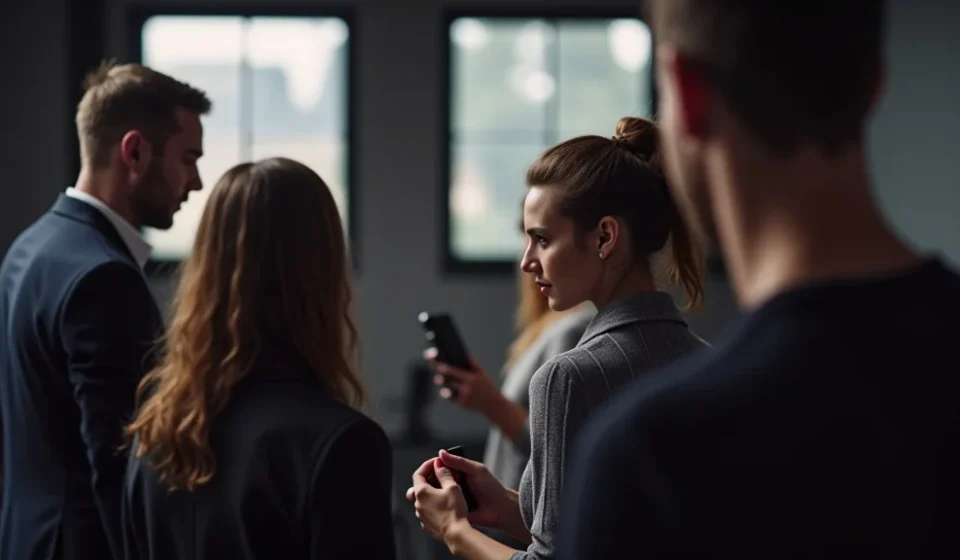

Remember that feeling when you’re watching your favorite movie, and suddenly the camera zooms in on a breathtaking scene? Or when you see a behind-the-scenes photo and it feels like you’re right there with the actors? That’s the power of lights camera action pictures! This guide will explore how these pictures are made, what makes them special, and how you can appreciate them even more. We’ll explore the process from start to finish, providing insights that make the often hidden work of set photographers come to life. By the end, you’ll have a better appreciation for the art and craft of set photography, increasing your enjoyment of movies and understanding of visual storytelling.
Key Takeaways
- Lights camera action pictures document the filmmaking process, offering a visual record of production.
- Learn about the equipment and techniques used by set photographers.
- Explore the different types of photos taken on a film set, from candid shots to posed portraits.
- Discover how these photos are used to promote films and build excitement.
- Understand the relationship between set photographers, directors, and actors.
- Gain insight into the role of lights camera action pictures in preserving a film’s legacy.
The Story Behind Lights Camera Action Pictures
The work of a set photographer is a fascinating blend of art and documentation. These photographers are present during the creation of a film, capturing moments that provide an inside look at the movie-making process. They are the silent observers, the chroniclers of the effort, emotion, and creativity that goes into every scene. They work alongside the director, the actors, and the entire crew, documenting everything from the most intimate scenes to the grandest set pieces.
The role is about more than just taking pictures. Set photographers must have a keen eye for composition, lighting, and detail. They must also be able to anticipate key moments, knowing when to capture the perfect expression, the critical angle, or the most dramatic action. Their work is a combination of capturing the narrative and capturing the mood, resulting in images that tell their own story, separate from the film itself. The photographs become a time capsule, a valuable archive of the filmmaking experience.
Equipment of the Trade
Set photography requires specialized equipment designed for the unique challenges of film production. It’s not the same as taking pictures in a studio or outdoors. The lighting conditions can be extremely varied, from bright sunlight on location to dimly lit sets. The photographer must be able to adapt their gear to capture images that are clear, well-composed, and evocative.
A set photographer usually works with professional-grade cameras that have the capability to function in diverse lighting conditions. High-speed lenses are often used to capture sharp images in low light. Their toolkit includes various lenses, allowing them to capture wide shots, close-ups, and everything in between. They also rely on a range of accessories, like external flashes, reflectors, and tripods, to manage the light and stabilize the camera. Moreover, the photographer must have the ability to work quickly and unobtrusively, often making adjustments on the fly to capture the perfect moment.
- Professional Cameras: Set photographers use professional DSLR or mirrorless cameras for their high image quality and adaptable settings. This enables them to capture images in a variety of situations.
- Fast Lenses: Lenses with wide apertures (low f-numbers) are essential for shooting in low light conditions on set. Fast lenses provide the ability to capture crisp images where lighting is not always ideal.
- Lighting Equipment: Set photographers often carry portable lighting equipment, such as speedlights or strobes, to supplement the available light. They can use this to fill in shadows or add a creative touch.
- Accessories: A set photographer will employ accessories like reflectors, diffusers, and tripods. These are used to control light, stabilize the camera, and capture different perspectives.
These cameras often have high megapixel counts, allowing for detailed images that can be printed in large formats. They also offer a range of manual controls, enabling the photographer to adjust settings like aperture, shutter speed, and ISO to achieve the desired effect. The durability of professional cameras is also important, as they must withstand the rigors of a film set. The capability to record video is sometimes included, to capture behind-the-scenes footage.
A wide aperture allows more light to reach the camera’s sensor, resulting in brighter images and a shallower depth of field. This means that the background can be blurred, which helps to isolate the subject and draw the viewer’s attention to the main focus. Fast lenses are usually heavier and more expensive than standard lenses, but their ability to capture light and create depth of field makes them indispensable tools for set photographers. The wide apertures help with shooting in low-light environments, too.
Speedlights are small, portable flashes that can be attached to the camera. They are useful for adding a burst of light to a scene. Strobes are more powerful flashes, and they are usually used with light modifiers, like softboxes or umbrellas, to soften the light and create a more flattering effect. Set photographers must know how to use lighting equipment effectively to get the most from it, ensuring it blends seamlessly with the existing lighting on the set.
Reflectors can bounce light onto the subject, softening shadows and adding fill light. Diffusers soften the light, which is useful when shooting in harsh sunlight or with direct flash. Tripods provide a stable platform for the camera, which is essential for capturing sharp images in low light or when using long lenses. Using these accessories helps a set photographer create professional-looking images.
The Photographer’s Role on Set
Set photographers have a specific role on the set, going beyond simply snapping pictures. They are present to document the film’s production, and their work plays a vital role in the film’s marketing and legacy. Their actions and interactions are crucial to the overall success of the project.
They work closely with the director, the actors, and the crew, understanding the visual narrative and the key moments that must be captured. Their job requires a unique set of skills, including technical expertise, artistic vision, and people skills. The photographer must be unobtrusive, making sure their presence doesn’t disrupt the filming process, while being proactive to capture all the essential moments. Their work is a combination of technical skill, artistic sensitivity, and people skills.
- Documenting the Production: Set photographers are responsible for documenting the entire filmmaking process. This includes capturing behind-the-scenes moments, the actors on set, and the crew at work.
- Working with the Director: They work closely with the director, often discussing the shots that need to be captured and the overall visual style of the film. They strive to interpret the director’s vision into images.
- Building Relationships: A set photographer builds relationships with the actors and crew. They establish trust and rapport, which lets them capture authentic, intimate moments on set.
- Marketing and Publicity: The pictures are used for marketing and publicity purposes, including the film’s poster, trailer, and social media promotion. They play an integral role in building excitement before the film is even released.
They capture a wide range of images, including candid shots of the actors between takes, action shots during the filming of scenes, and posed portraits for publicity. The objective is to create a visual record of the film’s production, capturing both the technical aspects and the creative spirit of the project. Their images preserve these memories.
They also provide valuable feedback on the lighting, composition, and overall look of the scene. They learn to anticipate the key moments that the director will want to remember, making sure they are ready to capture those moments. The photographer’s pictures must mirror the director’s creative vision.
They do this by being respectful, unobtrusive, and professional. They become familiar with the rhythms and dynamics of the set, anticipating the moments when a spontaneous expression or interaction will make a great photo. Building relationships helps the photographer to get the best pictures and allows them to capture the essence of the film’s production.
They work closely with the film’s publicists and marketers to provide images that showcase the film’s best aspects. They capture images that reflect the film’s tone, genre, and style. The pictures are used to generate interest and build anticipation for the film, helping to ensure its commercial success.
Types of Lights Camera Action Pictures
Lights camera action pictures encompass a variety of photographic styles, each serving a distinct purpose in the storytelling and promotion of the film. These images go beyond the typical snapshot; they are carefully crafted and thoughtfully captured to showcase the essence of the film.
The pictures range from documentary-style candid shots to carefully composed portraits, each selected to serve a specific function. Some shots are designed to show the actors in action, while others highlight the creative effort that goes into the production. Through different forms, the set photographer captures the film’s mood, the relationships among the people working on the project, and the key scenes that make the movie a success.
Behind-the-Scenes Photography
Behind-the-scenes photos are about documenting the production and provide a glimpse into the filmmaking process. They provide a look at the actors and crew. These images help people see the creative work of making a movie.
This includes pictures of the director and the actors talking about the scenes, the crew setting up the lights and cameras, and the actors in costume before they go on set. The goal is to capture the effort, cooperation, and magic of filmmaking. These pictures are valuable for showing the film’s creative process.
- Candid Shots: Candid photos capture spontaneous moments on set. They show the actors interacting with each other, the crew working, and the atmosphere.
- Action Shots: Action shots capture the intensity and dynamism of filming scenes. They show the actors in action, often during dramatic moments or stunts.
- Crew in Action: The photographer documents the crew in action. This demonstrates the effort and skill required to make a film.
They capture the real moments, the unscripted interactions and expressions that show the film’s true character. The photographer watches and waits for these moments, capturing the genuine emotions and relationships of everyone involved. These are the kinds of pictures that give fans an inside view of the filmmaking process.
The photographer must anticipate the action, capturing the key moments that capture the essence of the scene. This may involve capturing a sword fight, a car chase, or a moment of high drama. Action shots help to draw viewers into the excitement and energy of the film, and give audiences a sense of what to expect.
These photos include images of the lighting crew setting up lights, the sound crew recording audio, and the camera crew operating the cameras. They capture the technical aspects of filmmaking, showing the behind-the-scenes work that goes into bringing a film to life. They show the skill and cooperation that are important to making a successful film.
Portrait and Promotional Photography
Portrait and promotional photos are meant to promote the film. These are more carefully composed, capturing the actors in their best light. They are used in the film’s marketing, including posters, trailers, and social media.
These pictures are carefully crafted to convey the film’s mood, genre, and style. They often highlight the actors’ personalities and their role in the movie. The photographer works with the director, the actors, and the marketing team to produce images that attract viewers and boost the film’s popularity.
- Individual Portraits: Individual portraits showcase the actors. They emphasize the actors’ looks and personalities.
- Group Shots: Group shots feature the actors together, showing their interactions and relationships. They highlight the team dynamic.
- Scene Recreations: Scene recreations involve the actors acting out scenes for promotional photos. These give viewers a preview of the film.
They are usually taken in controlled lighting conditions, with the photographer paying attention to the details like clothing, makeup, and hair. The goal is to capture the actor’s best features and convey their character. These portraits are often used for promotional materials, giving viewers a preview of the actors and the film.
They are carefully composed to show the actors’ physical chemistry and the tone of the film. The group shots may be used for marketing materials, to build excitement, and convey the sense of cooperation in the movie. These images are intended to attract viewers and boost the film’s success.
These photos capture key moments from the film, such as a dramatic confrontation, a romantic scene, or a moment of humor. The set photographer works with the director to ensure the recreations reflect the film’s visual style and tone. They give a sneak peek of the film’s storyline and characters.
The Impact of Lights Camera Action Pictures
Lights camera action pictures are more than just photographs; they have a significant impact on many aspects of the film’s life, from its making to its legacy. These images are a vital part of filmmaking.
These pictures impact how a movie is marketed, how it is received by audiences, and how it is remembered in the years after its release. They are useful for advertising, building a fanbase, and preserving the film’s creative process. They help to build excitement, tell the story, and keep the movie alive for later audiences. The effect of these photos is significant and far-reaching.
Boosting Film Marketing and Promotion
The first way these pictures have a big impact is by helping the marketing team. They give the audience a visual look at the film before it is released.
The marketing team uses the pictures to create posters, trailers, and social media content. The goal is to create excitement for the film. These pictures show the key elements of the film. They attract viewers, which is critical for making a film successful.
- Posters and Trailers: The pictures are used on posters and trailers. These are the first thing people see when they hear about the film.
- Social Media Content: They’re used on social media to build excitement and interact with fans.
- Press Releases and Media Kits: Photos are included in press releases and media kits. These are used to provide the media with resources for writing about the film.
A well-designed poster or trailer, with great lights camera action pictures, draws viewers in. They are designed to convey the mood and storyline of the film, and give audiences a sense of what to expect. Posters and trailers play a critical role in generating initial interest in the film.
The photos may be used on the film’s social media pages to generate buzz, create interest, and encourage discussion about the film. Behind-the-scenes content gives fans an inside look at the film’s production. This helps to build an engaged community of fans who are eager to see the film.
The images are designed to highlight the film’s best features, such as the acting, the costumes, and the set design. They help the media tell the story of the film. The pictures are also used to generate interest in the film, leading to positive reviews and interviews.
Building a Stronger Fanbase
These pictures have the ability to strengthen the connection between fans and the film. They offer a more detailed look at the making of the movie.
By showing the actors and crew at work, the photos humanize the process, allowing fans to feel closer to the movie and the people who made it. They have the ability to strengthen the link between fans and their favorite movies.
- Creating a Sense of Community: Behind-the-scenes photos are often used to build a sense of community among fans.
- Promoting Engagement: Photos used on social media encourage engagement from fans.
- Developing a Lasting Legacy: These images also help to develop a long-lasting legacy, preserving the film’s memories for future generations.
The pictures give fans an inside view of the filmmaking process, allowing them to feel more involved with the movie. This helps them connect with the actors and crew. The effect is an increased sense of community and support for the film.
Fans are encouraged to share their favorite photos, discuss their thoughts on the film, and express their support. This level of participation strengthens the fan base, leading to the film’s success.
The photos document the creative process of filmmaking. They become a source of nostalgia and information for years to come. The pictures give viewers access to the film’s history, strengthening the connection between the film and its fans.
Preserving a Film’s Legacy
These pictures play a critical role in preserving a film’s memory. They offer a lasting record of the effort involved.
The images capture the essence of a movie, preserving its visuals and the personalities of those who created it. They become an important part of the film’s narrative, available for future generations. These photos help keep a film alive, years after its release.
- Creating a Visual Record: The photos act as a visual record of the film’s creation. They capture the key moments, people, and places.
- Documenting the Creative Process: They document the creative process, revealing the effort and cooperation required to make a film.
- Inspiring Future Generations: The photos inspire future generations of filmmakers, providing information and motivation for their work.
They are a way to remember the effort, cooperation, and magic of filmmaking. They capture the essence of the movie’s story and themes. These pictures help the film live on for years, as well as being a helpful resource for film historians and researchers.
They provide valuable information about how the actors, director, and crew collaborated to bring the film to life. These images provide valuable context and information about the movie. They are a valuable resource for film students, filmmakers, and anyone else interested in the creative process.
The pictures show the technical aspects and the artistic effort of filmmaking. They capture the actors at their best, conveying the movie’s energy and narrative. These images provide inspiration to the next generation of filmmakers.
Common Myths Debunked
Myth 1: Set Photography Is Easy
Some people think taking lights camera action pictures is easy, assuming that all the photographer has to do is point and shoot. They may think that the great lighting, composition, and moments just happen without any effort. However, this is far from the truth.
Set photography requires technical skills, artistic vision, and a lot of patience. A set photographer must understand cameras, lenses, and lighting, and be able to make quick adjustments in a busy environment. They also have to capture the most significant moments in a scene, and do so without disrupting the work of others. It takes skill, experience, and the right equipment to take great pictures.
Myth 2: Anyone Can Be a Set Photographer
Another misconception is that anyone with a good camera can be a set photographer. Though having a high-quality camera is essential, the reality is more complicated.
Being a set photographer means more than just having a good camera. You must be able to adapt to challenging conditions, work quickly and unobtrusively, and build strong relationships with the director, actors, and crew. You also have to capture the essence of a film, understanding the narrative and anticipating the key moments. It takes experience, skill, and the right personality to succeed in this role.
Myth 3: Set Photographers Only Take Pictures of the Actors
Many believe that set photographers only capture pictures of the actors in front of the camera. While actors are often the focus, the truth is that a set photographer documents the entire filmmaking process.
Their work includes photos of the crew at work, the sets, the props, and all the behind-the-scenes aspects of filmmaking. They capture all of the effort, creativity, and energy that go into making a movie. Their goal is to capture the complete story of a film’s production, providing a visual record that captures the production’s atmosphere.
Myth 4: Set Photographers Are Always in the Way
There’s a belief that set photographers are always a distraction, getting in the way and interrupting the filming process. The reality is that set photographers are trained to be unobtrusive.
A good set photographer must blend in, respecting the workflow of the cast and crew. They work to anticipate the key moments, which lessens the need for multiple shots. They must build relationships with the director and the actors to be able to work comfortably on the set, while keeping their presence as minimal as possible. Their goal is to document the process, not to interfere with it.
Myth 5: Set Photography Isn’t Important
Some people think set photography is a minor detail in filmmaking. They think the primary focus should be the final product, the movie itself. However, set photography is very important.
The pictures are an essential part of the film’s success, providing marketing materials, building a strong fan base, and preserving the film’s legacy. They provide a deeper look at the process. These photos give fans an inside view of the film, and the people behind it. The pictures are an important piece of the complete picture.
Frequently Asked Questions
Question: What’s the main purpose of a set photographer?
Answer: The primary goal is to document the film’s production and also create images for promotion and marketing.
Question: Are set photographers always allowed on the set?
Answer: Yes, but they must be as unobtrusive as possible, always working in coordination with the director.
Question: What kind of pictures do set photographers usually take?
Answer: Set photographers take many kinds of photos, including behind-the-scenes, action shots, and also promotional portraits of the actors.
Question: How do set photographers help promote a film?
Answer: Their pictures are used for posters, trailers, social media, and other marketing materials.
Question: How long does a set photographer work on a movie?
Answer: They work on the movie throughout production, from the first day of filming to the final scenes.
Final Thoughts
Lights camera action pictures are a treasure trove of art and documentation, capturing the magic and effort of filmmaking. These images serve many purposes, from documenting a film’s creation to sparking interest. They offer an inside look at the production, letting audiences see the actors, the crew, and the key moments of the film’s narrative.
By exploring the equipment, the techniques, and the roles within a film set, you can learn to appreciate these photos. By learning more about this art form, you will learn to appreciate the work that goes into a film. Next time you see a behind-the-scenes photo, think about the effort, skill, and narrative it contains. Now you have a better understanding of set photography. The next time you watch a movie, you will enjoy it even more. Be sure to look for those special moments that have been captured. Share your favorite photos to help spread the word!


