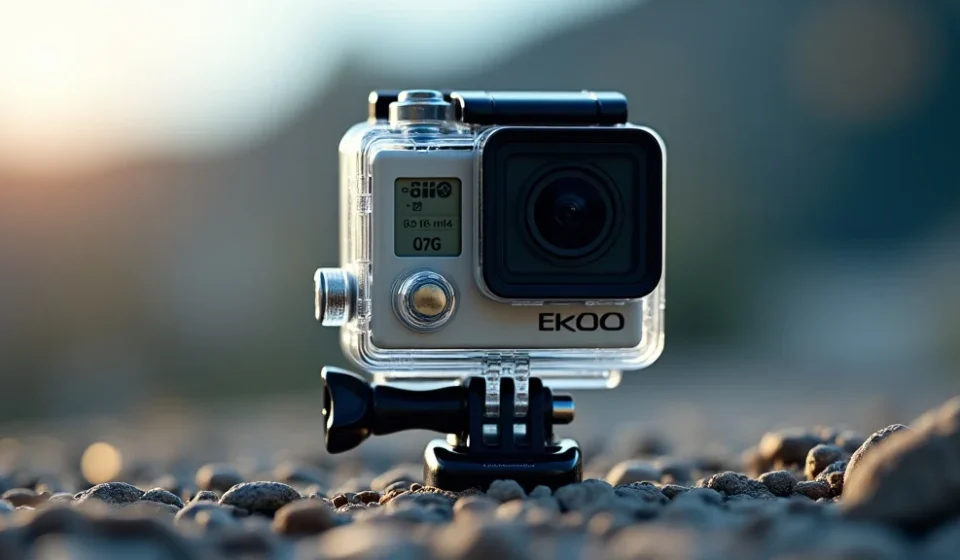

Picture this: you’re scaling a rock face, a snowboarder carving down a mountain, or maybe you’re just capturing your kid’s first bike ride. You want to remember these moments, but a regular camera just won’t cut it. That’s where a action camera steps in. These compact, durable devices are built to withstand the elements and capture your most thrilling adventures. This post will explore exactly what is action camera, its capabilities, and how you can use it to record your life’s best moments. By the end, you’ll know everything you need to choose the best action camera for your needs and start creating amazing content, improving your Time on Page and reducing your Bounce Rate.
Key Takeaways
- An action camera is a rugged, portable camera perfect for capturing action-packed moments.
- These cameras are designed to withstand extreme conditions like water, shocks, and dust.
- You’ll discover the key features of action cameras, including resolution, frame rates, and stabilization.
- Learn about the various mounts and accessories available to enhance your recording capabilities.
- Explore different ways to use an action camera, from sports to everyday vlogging.
- Discover how to choose the right action camera based on your specific needs and activities.
Unveiling What Is Action Camera Its Features and Construction
The term action camera describes a specific type of digital camera, crafted for recording video and capturing photographs during activities where conventional cameras might be impractical or vulnerable. These cameras are deliberately constructed to be small, light, and very tough. They’re built to endure the rough and tumble of extreme sports, outdoor adventures, and any situation where a standard camera would be at risk. From surfing to skydiving, action cameras allow you to document your experiences in ways previously impossible. Their design often prioritizes ease of use and versatility, making them ideal for both professionals and casual users.
Durability and Design of Action Cameras
Durability is the cornerstone of action camera design. They’re built to withstand a beating. The casings are typically made from sturdy materials like reinforced plastic or aluminum, providing protection against impacts. Most are also waterproof, allowing for underwater recording without needing a separate housing. This rugged construction is essential because these cameras are often subjected to harsh environments, including extreme temperatures, dust, and water exposure. They can endure drops, bumps, and vibrations that would quickly damage a regular camera. The overall design prioritizes portability and usability, featuring streamlined shapes and easily accessible controls, so you can focus on the action instead of fiddling with the settings.
- Water Resistance: Most action cameras are waterproof to certain depths without additional housing. Some can withstand being submerged, while others require a protective case. This feature is important for activities like swimming, surfing, or diving.
- Shock Resistance: Built to absorb impacts. They can handle drops and bumps without malfunctioning. This characteristic is vital for action sports where accidents are common.
- Dust Proofing: Action cameras have sealed designs to prevent dust and debris from entering the internal components. This is beneficial for use in sandy or dusty environments.
- Temperature Tolerance: They can function in extreme temperatures. They maintain performance in both hot and cold environments, enabling use in various climates.
Key Components and Technology
To understand what is action camera, consider its technological parts. Action cameras pack sophisticated technology into a small package. These cameras use high-quality sensors and processors to capture crisp, detailed images and videos. They commonly use wide-angle lenses to capture a broad field of view, ideal for recording the surrounding environment. In addition, features such as image stabilization, multiple video modes, and wireless connectivity are also integrated. These components work together to provide versatile functionality, giving users everything they need to capture and share their experiences effectively.
- Image Sensor: The sensor captures light and converts it into an image. It determines the image quality. Larger sensors usually give better low-light performance and dynamic range.
- Processor: The processor handles image processing, including encoding video, applying image stabilization, and managing camera settings. It influences speed and performance.
- Lens: Wide-angle lenses are standard on action cameras. This feature lets the camera capture a large field of view, capturing more of the surroundings.
- Image Stabilization: Image stabilization helps reduce blur from camera shake, resulting in smoother video. This is important when recording moving activities.
- Connectivity: Most cameras have Wi-Fi and Bluetooth for transferring footage and controlling the camera using a smartphone or other devices.
Essential Features to Consider When Buying What Is Action Camera
When selecting a camera, the features are the deciding factor. Resolution is one of the essential attributes to consider. High resolutions like 4K or even 5.3K allow for more detail and flexibility. The frame rate decides how smooth the video is; higher frame rates provide slow-motion capabilities. Additionally, image stabilization is important for steady footage, and battery life is key for extended recording times. Knowing these features will help you pick a camera suitable for your needs.
Video Resolution and Frame Rate
Video resolution and frame rate are fundamental. Video resolution, like 1080p, 4K, or 5.3K, refers to the number of pixels. Higher resolutions provide more detail and clarity, which is especially useful for cropping or zooming in post-production. The frame rate determines how many frames are captured per second. A higher frame rate (60fps, 120fps, or even higher) results in smoother video, particularly when recording fast-moving action. Higher frame rates enable slow-motion effects. Selecting the correct resolution and frame rate guarantees that your videos have the quality and flexibility you need.
- 1080p: This is Full HD resolution, which is a common standard. It provides good quality for most uses and consumes less storage space. It’s suitable for everyday use and social media.
- 4K: This is Ultra HD resolution, offering four times the detail of 1080p. 4K is beneficial for capturing fine details and is suitable for larger screens and cropping.
- 5.3K or Higher: These resolutions provide even more detail than 4K. Ideal for professional use or scenarios where the highest quality is needed, allowing for extreme cropping.
- Frame Rate (30fps): This frame rate produces standard video smoothness. It’s often used for general video recording.
- Frame Rate (60fps and 120fps or Higher): These frame rates are used for smooth motion and allow for slow-motion effects, giving more versatility in video editing.
Image Stabilization, Battery Life, and Other Functions
Additional features contribute significantly to the user experience. Image stabilization is critical for eliminating shaky footage. Electronic Image Stabilization (EIS) and optical image stabilization (OIS) help to keep videos smooth, particularly during action-packed moments. Battery life is another important consideration. Action cameras often have short battery lives due to their compact size and the energy-intensive nature of recording high-quality video. Longer battery life is important if you plan to record long sessions. Additional features like a built-in microphone, waterproofing, and various shooting modes (time-lapse, burst photo) improve usability and versatility.
- Image Stabilization (EIS/OIS): EIS utilizes software to correct for camera movement, while OIS uses physical components. Both features produce smoother video, removing unwanted shaking.
- Battery Life: Battery life varies among different cameras. Look for a camera with a battery life that meets your recording needs. Consider carrying spare batteries if you require extended use.
- Built-in Microphone: A built-in microphone allows you to capture audio along with your video. For better sound quality, consider an external microphone.
- Waterproofing: Most cameras are waterproof to certain depths without a case. This capability is essential for water activities.
- Shooting Modes: Look for cameras that offer a variety of shooting modes, such as time-lapse, slow motion, and burst photo, which broaden your creative options.
Mounts and Accessories to Enhance What Is Action Camera Use
Action cameras are designed to be extremely versatile. Mounts and accessories are key to achieving creative shots. These accessories let you securely attach the camera to a variety of surfaces and objects. From helmets and handlebars to chest straps and selfie sticks, these options greatly extend the possibilities of what you can record. Using a variety of accessories enables you to capture unique perspectives and get the most out of your camera.
Common Types of Mounts
Several types of mounts are available to provide secure attachment. Helmet mounts are popular, offering a first-person perspective, while chest mounts are good for capturing a view of your body and the environment. Handlebar mounts are great for recording cycling or motorcycle rides. Suction cup mounts allow you to attach the camera to smooth surfaces, such as car windows. Each mount has a unique purpose and is designed to fit a specific activity or surface. Choosing the right mounts ensures that your camera stays in place and provides the best possible view.
- Helmet Mounts: These are ideal for capturing first-person perspective views. They are frequently used for cycling, skiing, and other action sports, providing a point-of-view (POV) perspective.
- Chest Mounts: Chest mounts provide a view of the body and the surroundings. They’re great for activities such as hiking, mountain biking, and snowboarding. They offer a stable shot and are less shaky than helmet mounts.
- Handlebar Mounts: Handlebar mounts are designed for mounting cameras to handlebars, seat posts, or other parts of bikes or motorcycles. They’re perfect for recording rides.
- Suction Cup Mounts: Suction cup mounts allow you to attach the camera to smooth, non-porous surfaces such as car windows, windshields, and boat decks. These are versatile for various activities.
- Wrist Mounts: Wrist mounts allow you to wear the camera on your wrist like a watch. They are great for water sports, rock climbing, and other activities.
Essential Accessories for Action Cameras
Essential accessories boost the usability and quality of your recordings. Extra batteries are crucial for extended recording times. A waterproof housing is important for providing an additional layer of protection, particularly in extreme conditions or deeper water. External microphones provide improved audio quality, especially in windy environments. Memory cards with sufficient storage and fast write speeds are important for recording high-resolution video. Carrying cases and lanyards offer ease of carrying and safety, guaranteeing the camera is safe and accessible.
- Extra Batteries: Carrying extra batteries guarantees you can record longer. This is particularly important for long shoots, outdoor adventures, or when you can’t easily access a power source.
- Waterproof Housing: Waterproof housings provide added protection against water and other elements. This is essential for water sports and extreme environments, enabling you to record underwater and in rough conditions.
- External Microphones: External microphones can drastically improve audio quality. They can reduce wind noise and capture clearer sound, which is especially beneficial for vlogging or any activity where good audio is necessary.
- Memory Cards: High-quality memory cards are crucial. Make sure to get a card with sufficient storage and fast write speeds, particularly for 4K video.
- Carrying Cases and Lanyards: Carrying cases and lanyards provide a secure way to carry and protect your camera. They guarantee the camera is easily accessible and prevents accidental drops.
Ways to Use What Is Action Camera in Different Settings
The adaptability of action cameras makes them a great tool in many different contexts. Action cameras are not limited to action sports; they also capture memories in a variety of settings. From family vacations and vlogging to professional filmmaking, their small size and toughness provide many ways to document experiences. This section will explore the diverse applications and offer creative ideas.
Action Sports and Outdoor Activities
Action cameras are well suited for action sports and outdoor activities, which is where they originated. They are designed to withstand challenging conditions and capture dynamic footage. Whether you’re snowboarding down a mountain, surfing a wave, mountain biking through the forest, or climbing a rock face, an action camera allows you to record from exciting angles. The compact size lets you mount the camera almost anywhere, which provides a first-person perspective. The rugged design guarantees that the camera can handle impacts, water, and other obstacles that you could encounter.
- Surfing: Mount the camera on your board or use a chest mount to capture footage of riding waves.
- Snowboarding and Skiing: Use helmet mounts for POV shots of descending the slopes.
- Mountain Biking: Mount the camera on the handlebars or helmet to capture trail footage.
- Rock Climbing: Use a helmet or chest mount to record your ascents and descents.
- Kayaking and Paddleboarding: Mount the camera on the kayak or paddleboard to capture water-level views.
Travel and Vlogging
Beyond sports, cameras are great for travel and vlogging. Their small size and ease of use make them great for capturing travel memories. The durable design makes them suitable for taking them along in harsh conditions, and the wide-angle lens allows you to record the surroundings. Action cameras are excellent for vlogging, providing high-quality video and audio while being mobile and easy to handle. The compact size of the camera and various mounting options enable creative shooting angles and storytelling options.
- Travel Vlogging: Use a selfie stick or chest mount to record your travel adventures.
- Family Vacations: Capture memories of family trips, including water activities and scenic views.
- Hiking and Nature Walks: Record hikes and nature walks with a head mount or chest mount to create engaging content.
- Documenting City Tours: Record the city tours with various mounts like a chest mount or a suction cup mount on a vehicle.
- Creating Time-Lapses: Use the time-lapse feature to capture sunrise, sunset, or busy cityscapes.
Creative Filmmaking and Other Uses
Action cameras can also be used for creative filmmaking and unique projects. They’re great for shooting from unusual perspectives, such as attaching the camera to a drone for aerial shots or to a moving vehicle for dynamic footage. They are frequently used in filmmaking for creating unique shots and angles due to their compact size and versatility. The image stabilization feature ensures smooth and stable footage, while the waterproof capabilities let you record underwater scenes. Moreover, action cameras are used in various fields, like security and home monitoring, where their small size and ability to record in challenging conditions are useful.
- Drone Footage: Attach the camera to a drone for aerial shots.
- Underwater Filming: Take it underwater, using waterproof housing to record aquatic life.
- Time-Lapse Projects: Use the time-lapse feature for projects.
- Dashcam Footage: Use them as a dashcam to record car trips.
- Security and Home Monitoring: Install a camera to record in challenging situations.
Choosing the Right What Is Action Camera for Your Needs
Choosing the correct action camera requires careful thought. Evaluate your particular needs and priorities. Consider factors like your budget, the activities you plan to record, and the features you consider most important. For example, if you mostly take part in water sports, water resistance is a top priority. If you often record high-speed action, image stabilization is important. By assessing your needs and understanding the specifications, you can select a camera that captures your memories perfectly.
Determine Your Needs and Budget
The first step is to establish what you’ll use the camera for and set a budget. List the specific activities you’ll be recording, as well as the important features for each. Research different camera models and compare their specifications and price points. Knowing your needs and budget will assist you in narrowing down the selections and making an informed decision. Evaluate the features you require, such as high-resolution video, image stabilization, or extended battery life.
Researching Camera Specs and Features
After outlining your requirements and budget, research the camera features. Pay close attention to video resolution, frame rate, image stabilization, and battery life. Examine the different mounting options and accessories available. Read reviews from users and experts. Compare different models. Consider brands known for quality and reliability. Knowing the specifications will let you compare different models and find the camera that is the right fit.
| Feature | Consideration |
|---|---|
| Resolution | 4K or higher for detailed video. |
| Frame Rate | 60fps or higher for slow-motion capabilities. |
| Image Stabilization | EIS or OIS for smooth footage. |
| Water Resistance | Essential for water sports. |
| Battery Life | Important for long recording sessions. |
Considering Brands and Models
Once you understand your requirements and have researched the specifications, you should evaluate different brands and models. Well-known brands like GoPro, DJI, and Insta360 offer high-quality cameras with a variety of features and accessories. Examine each brand’s reputation for durability, performance, and user-friendliness. Read user reviews and professional reviews to find the best-performing models. Evaluate each camera’s features and choose a model that provides all the characteristics you require.
Common Myths Debunked
Myth 1: Action Cameras Are Only for Extreme Sports
The belief that action cameras are only for extreme sports is a misconception. Although action cameras are often used for sports, their flexibility makes them suitable for many purposes. They’re excellent for documenting travel adventures, family vacations, vlogging, and everyday activities. Their small size, durability, and a variety of mounting choices make them great for capturing memories in any environment.
Myth 2: Higher Resolution Always Means Better Quality
While higher resolution is an important feature, it doesn’t always indicate better quality. Other features, such as image stabilization, lens quality, and sensor performance, affect the overall video quality. Better image stabilization results in smoother video, while a higher-quality lens can reduce distortion. The sensor’s performance determines its ability to capture light and detail. Consider these features in addition to resolution to assess the overall video quality.
Myth 3: All Action Cameras Are Waterproof
Although most cameras have some water resistance, not all are fully waterproof. Some action cameras have a specific depth limit, while others require a waterproof case for underwater use. Check the camera’s specifications to determine its water resistance capabilities. If you intend to use the camera underwater, make sure it has adequate protection or get a protective case for deeper diving.
Myth 4: Action Cameras Are Difficult to Use
Action cameras are usually designed to be user-friendly, with simple controls and user-friendly interfaces. Most models feature simple menus and modes, making it easy to capture video and photographs. Many have smartphone connectivity, allowing you to control the camera via a mobile app. In general, action cameras are easier to use than some traditional cameras, allowing you to concentrate on the action.
Myth 5: Action Cameras Are Expensive
Pricing varies, and not all cameras are expensive. While some high-end cameras have professional-grade features, many affordable models provide excellent quality for casual users. The price is determined by the characteristics, like resolution, frame rate, and image stabilization. Many brands offer cameras for different price ranges to meet different needs. Compare costs and features to find a camera that fits your budget.
Frequently Asked Questions
Question: How long do action camera batteries last?
Answer: Battery life varies based on the model and settings, but generally lasts between 1 to 2 hours of continuous recording. Using higher resolutions and frame rates can reduce battery life.
Question: Can I use an action camera in cold weather?
Answer: Yes, most action cameras are designed to operate in various temperatures. However, extreme cold can decrease battery life, so you should keep a spare battery.
Question: What is the best resolution and frame rate for general use?
Answer: 1080p at 30fps is good for general use, while 4K at 30 or 60fps is perfect for a higher quality result. If you’re planning on slow motion, go for 1080p at 120fps or higher.
Question: How do I transfer videos from my action camera to my phone or computer?
Answer: Most action cameras have Wi-Fi connectivity, allowing you to transfer files wirelessly. Otherwise, you can use the USB port to connect to your computer or remove the microSD card and use a card reader.
Question: What’s the best way to clean my action camera?
Answer: Use a soft, lint-free cloth to clean the camera. If it has gotten wet, make sure it is dry. For the lens, use a lens-cleaning solution and wipe it gently.
Final Thoughts
Understanding what is action camera opens up a world of possibilities for capturing your life’s best moments. These cameras are powerful tools, perfect for both pros and amateurs alike. From capturing the thrill of action sports to recording family vacations and vlogging adventures, they offer flexibility and durability in a compact package. These cameras can handle extreme conditions and diverse activities, making them essential for anyone who wants to document their life. Embrace the creativity, explore various mounting options, and experiment with different recording settings to get the most out of your camera. Don’t be afraid to try new things, learn, and have fun recording your life. Start capturing your adventures today!


