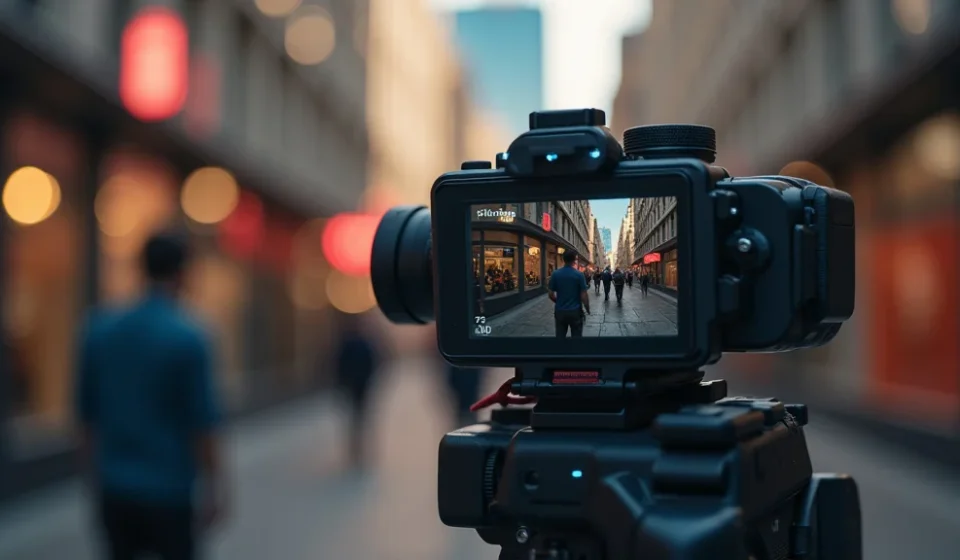

Remember that epic ski trip last winter? You spent hours trying to film the perfect run, only to end up with shaky footage that felt like a blur. Wouldn’t it be great to capture those amazing moments with more flair? This post is all about how to make your action camera footage stand out and be unique. You’ll explore strategies to move beyond basic recordings and create compelling videos that tell your story. Get ready to learn tips and tricks that will transform your action camera videos from ordinary to extraordinary, giving your audience something truly special.
Key Takeaways
- Discover creative shooting techniques to elevate your action camera footage.
- Learn about essential accessories that enhance video quality and capture unique perspectives.
- Explore editing strategies that transform raw footage into captivating stories.
- Understand how to use different shooting modes to add variety and interest.
- Find out how to choose the right action camera for your individual needs.
Unlocking Creativity: Innovative Shooting Techniques
Basic point-and-shoot footage quickly becomes boring. To make your action camera videos stand out, you need to get creative with your filming approach. The location is important, but how you capture the scene is what sets you apart. Think about different angles, movement, and perspectives to tell your story in a unique way. Experimenting with these techniques will improve your storytelling.
Angles and Composition: Framing Your Story
The angle from which you film can drastically change the viewer’s experience. Standard head-on shots are fine, but they don’t always create the most interesting footage. Thinking about composition means to arrange the elements within your frame in a way that is visually appealing and tells a story. Experiment with different angles to create depth and visual interest in your videos.
- Low-Angle Shots: Place your camera close to the ground to make your subject appear larger and more powerful. This works well for sports, as it creates a sense of action and excitement.
- High-Angle Shots: Shooting from above can provide a broader view of the environment and create a sense of scale. It’s useful for showing off landscapes or large-scale activities.
- The “Dutch Angle”: Tilting your camera slightly can create a sense of unease or dynamic movement. Use this sparingly to add a touch of artistic flair.
- Rule of Thirds: Imagine your frame is divided into nine equal parts by two horizontal and two vertical lines. Place key elements of your scene along these lines or at their intersections for a more balanced and visually appealing composition.
- Lead Room: When filming a moving subject, leave space in front of the subject, allowing them “room to move” within the frame. This creates a sense of anticipation and direction.
Consider the environment you’re filming in. Urban settings allow for interesting shots by using buildings and streets for composition. When in nature, take advantage of the textures, colors, and landscapes to make your footage pop. Always think about how you can create an interesting composition.
Motion and Movement: Adding Dynamic Flair
Static shots can be dull. Movement adds life and energy to your action camera footage. Explore different ways to incorporate motion into your videos to engage your audience. Remember to consider the speed of the movements in your shots to match the activity.
- Tracking Shots: Follow your subject as they move. This is simple but effective. It creates a feeling of presence and makes the viewer feel like they are right there with the action.
- Panning Shots: Move the camera horizontally to follow a subject or capture a wide scene. This can be used to show off a landscape or to follow a moving object.
- Tilting Shots: Rotate the camera vertically. This can be used to reveal something new or to follow the subject’s movement up or down.
- Time-Lapse: Capture slow-moving events over a long period. This technique is great for showing changes in the environment, like clouds moving or flowers blooming.
- Slow-Motion: Use this effect to highlight key moments or add drama. It’s perfect for capturing the details of fast-paced action.
Different mounting options, like a chest mount or a head strap, allow you to capture unique perspectives of motion, putting the viewer right in the middle of the action. Even simple movements, like tilting or rotating your camera, can create a sense of dynamism. Combine these techniques to make your videos visually dynamic.
Perspective and Storytelling: Engaging Your Audience
Your action camera is a tool to tell stories. Use different perspectives to add depth and interest to your videos. This is a very important part of making your action camera footage unique. Think about what you want to convey and how to capture it in a way that engages your audience.
- First-Person Perspective (FPV): This puts the viewer in the shoes of the subject. It’s ideal for activities like cycling or skiing, creating a sense of immediacy.
- Third-Person Perspective: Offers a wider view of the action, allowing you to show the environment and the subject’s actions in relation to it.
- Over-the-Shoulder Shots: Place the camera behind the subject’s shoulder, giving viewers a glimpse of the activity and reaction.
- Transition Shots: Use these shots to move between different scenes or viewpoints. Smooth transitions help maintain the viewer’s interest.
- Creative Angles: Get off the beaten path! Use unusual angles to add surprise and excitement to your videos.
When planning your shoot, think about how each shot contributes to your overall story. Use a variety of perspectives to keep your audience engaged. A thoughtful approach to storytelling ensures your videos are more than just documentation; they’re experiences.
Essential Accessories: Elevating Your Action Camera
The right accessories can dramatically improve your action camera footage and help you capture unique perspectives. From mounts to microphones, these tools extend your camera’s capabilities and enhance your creativity. This can allow you to create amazing videos that will make your action camera truly unique.
Mounts and Stabilizers: Smooth and Steady Footage
Mounts and stabilizers are critical for ensuring stable and smooth footage. They help eliminate unwanted shakes and vibrations, which can ruin an otherwise great video. There’s a wide range of mounting options, allowing you to capture unique angles.
- Chest Mount: Provides a first-person view, perfect for activities like mountain biking or hiking.
- Head Strap: Allows you to capture shots from your point of view, useful for sports and adventures.
- Handlebar Mount: Great for cycling or motorcycle riding, providing stable footage from the front.
- Tripod: Essential for static shots, time-lapses, and situations where you need a steady base.
- Gimbal: Uses motors to counteract movement, resulting in exceptionally smooth footage, even in challenging conditions.
By using the right mounts, you can overcome many of the challenges that come with capturing action footage. The correct stabilization is important for engaging viewers. Selecting the suitable mounts and stabilizers enhances the overall quality and enjoyment of your videos.
Audio Enhancements: Improving Sound Quality
Good audio is just as important as good video. The built-in microphones of action cameras can often pick up a lot of wind noise or other unwanted sounds. Adding external microphones can significantly improve the clarity and quality of your audio.
- External Microphone Adapter: Allows you to connect an external microphone to your action camera.
- Lavalier Microphone: A small, clip-on microphone ideal for interviews or when you need clear audio of your voice.
- Shotgun Microphone: Directional microphone, excellent at focusing on sound from a specific direction, minimizing background noise.
- Windscreen: Reduces wind noise, perfect for outdoor filming.
- Considerations: Think about your recording environment when selecting a microphone. Are you in a windy spot? Is there a lot of background noise? Choose a microphone and accessories that will best fit your needs.
Improving your audio quality makes your videos more enjoyable and professional. Investing in the right microphones will improve the overall quality of your storytelling. Prioritizing sound ensures the audience can fully experience your videos.
Specialty Accessories: Expanding Your Creative Toolkit
Beyond the basics, several specialty accessories can take your action camera footage to the next level. These tools help you explore unique perspectives and capture more dynamic content. They give you more creative options when filming and help your action camera be unique.
- Underwater Housing: Allows you to take your camera underwater, capturing unique shots of aquatic environments.
- Light Filters: Protect your lens and can enhance colors and contrast in your footage.
- Drone: Offers aerial perspectives, opening up new creative possibilities for capturing expansive landscapes or action sequences.
- Remote Control: Allows you to start and stop recording or change settings without touching the camera.
- Extra Batteries: To keep your camera running for a long time.
These accessories offer new ways to capture unique perspectives and add variety to your content. Consider what types of content you enjoy filming. These specialty accessories can provide the tools you need to make your videos more distinct and interesting.
Editing Magic: Transforming Footage Into Stories
Editing is where your raw footage comes to life. With the right techniques, you can transform a collection of clips into a compelling story. Learning to edit properly is critical to setting your videos apart. This section will cover key elements to create an exciting final product.
Video Editing Software: Selecting the Right Tools
Choosing the right video editing software is important. There are many options available, from free to professional-grade. The best choice depends on your experience level, budget, and the features you need. Understanding the functionality of editing software will give you the right tools for your projects.
- Beginner-Friendly Software: Offers easy-to-use interfaces, drag-and-drop functionality, and basic editing tools. Often available for free or at a low cost.
- Intermediate Software: Provides more advanced editing features, such as color correction, audio mixing, and motion graphics capabilities.
- Professional-Grade Software: High-end software offering complex editing tools, advanced color grading, and support for high-resolution video. Often requires a subscription.
- Key Features: Look for software with key features such as timeline-based editing, transitions, titles, effects, and audio editing capabilities.
- Compatibility: Verify that the software is compatible with your operating system and can import the video formats from your action camera.
Consider your needs and budget when selecting software. Explore different options to find the perfect fit. Learning the basics of the software you choose is an essential skill for creating engaging videos.
Editing Techniques: Creating Engaging Content
Editing isn’t just about putting clips together. It involves a variety of techniques to create a cohesive and engaging story. Mastering these techniques transforms your raw footage into a polished final product. These skills are essential to make your action camera footage unique.
- Cutting and Trimming: Remove unwanted footage and trim clips to the right length.
- Transitions: Use smooth transitions, such as fades, wipes, and crossfades, to move between scenes.
- Color Correction: Adjust the color balance, contrast, and saturation of your footage to create a consistent and visually appealing look.
- Audio Editing: Improve sound quality by removing background noise, adjusting levels, and adding music.
- Adding Titles and Text: Include titles, captions, and text overlays to provide context, add information, and enhance the visual appeal of your videos.
Practice these techniques and watch tutorials to improve your skills. Experiment with different styles to develop your own unique approach to editing. The more you edit, the better you will become.
Storytelling and Structure: Building Your Narrative
The best videos tell a story. Structure your footage to create a compelling narrative that keeps your audience engaged. Start with a plan and organize your content strategically to make the most impact. This is where your videos will shine.
- Planning: Before you start editing, plan your video’s structure. Decide on the key moments, transitions, and overall flow.
- Pacing: Control the rhythm of your video by adjusting the length of your clips and the speed of your transitions. Use fast-paced edits for action sequences and slower, more deliberate edits for slower moments.
- Music Selection: Choose music that complements the mood and theme of your video. The right music can enhance the emotional impact and draw viewers in.
- Voiceover or Narration: Consider adding a voiceover to guide the viewer, provide information, or share your thoughts.
- Feedback: Watch your video repeatedly, gathering feedback from others. Refining your work helps make it better.
When you edit, think about your target audience. Keep their interests in mind when choosing footage, pacing, and music. Effective storytelling means creating something that connects with the viewer on an emotional level.
Shooting Modes: Unleashing Creative Control
Action cameras have multiple shooting modes, each designed to capture different types of content. Explore these modes to discover new ways to make your videos more dynamic and exciting. Varying the recording modes can bring a new level of creativity to your videos.
Video Modes: Beyond Basic Recording
Beyond standard video recording, action cameras offer various video modes to enhance your creativity. These modes can alter the speed, the field of view, and the overall look and feel of your footage. Experimentation is important to getting the best out of your action camera to be unique.
- Standard Video: The most common mode, used for general recordings.
- Slow Motion: Captures footage at a high frame rate and plays it back slower, perfect for highlighting key moments.
- Time-Lapse Video: Compresses a long period of time into a short video, great for capturing changes in the environment.
- Looping Video: Records video in a continuous loop, overwriting the oldest footage when the storage is full.
- Hyperlapse: Combines time-lapse with movement, creating smooth and dynamic time-lapses while the camera is in motion.
Consider the activity you are filming. Choose the mode that fits the speed of the motion, the setting, and your storytelling goals. These video modes will allow you to capture stunning footage.
Photo Modes: Capturing Still Moments
Your action camera is a versatile tool that can also capture beautiful still photos. These modes allow you to freeze a moment in time, providing a different way to document your adventures. Enhance your storytelling by combining video and still photos.
- Single Captures a single image with each press of the shutter button.
- Burst Takes multiple photos in rapid succession, great for capturing fast-moving action.
- Time-Lapse Automatically takes photos at set intervals, creating a time-lapse sequence.
- Night Mode: Designed to capture images in low-light conditions, allowing you to photograph stars, cityscapes at night, or other dimly lit environments.
- HDR (High Dynamic Range): Takes multiple shots at different exposures and combines them to create a single image with a wider range of colors and details, improving photos in difficult lighting.
The photo mode you select depends on what you are trying to capture and the situation you are in. Using a combination of modes will give your viewers a better experience. Combining photo and video modes will let you create the most compelling content.
Special Modes: Expanding Your Creative Choices
Many action cameras offer special modes that expand your creative options. These modes are designed to capture specific types of content, enhancing the camera’s ability to be unique. Using these modes will bring you to new levels of creativity.
- Protune/Pro Mode: Provides advanced settings to fine-tune image quality, including white balance, ISO, and sharpness.
- Live Streaming: Allows you to stream videos directly to social media platforms or other online services.
- Horizon Leveling: Keeps the horizon level, even if the camera is tilted.
- Underwater Mode: Designed to enhance colors and contrast in underwater environments.
- SuperView: Captures footage with an ultra-wide field of view.
Look at the activities you enjoy filming and consider the special modes that will help you capture the best footage. Special modes allow you to tailor the camera to the specific needs of each situation. By exploring these modes, you can greatly improve the quality and style of your videos.
Choosing the Right Action Camera: Matching Needs
Selecting the right action camera can be a challenge. There are many models available, each with its own features, strengths, and weaknesses. Researching the available options allows you to make the right choice that perfectly suits your needs. This will help you know how to make your action camera footage unique.
Key Features: Important Factors
Several key features can influence your choice of action camera. These factors affect the quality of your footage, the ease of use, and the overall experience. Understanding these aspects will help you find the best camera for your needs.
- Resolution: Determines the quality of your video. Higher resolutions (4K, 5.3K) produce sharper and more detailed footage.
- Frame Rate: Higher frame rates (60fps, 120fps) allow for smoother slow-motion effects.
- Image Stabilization: Reduces shakiness in your footage, especially important for action shots.
- Waterproofing: Many cameras are waterproof to a certain depth without an additional housing.
- Battery Life: Choose a camera with sufficient battery life to record your desired footage. Consider carrying extra batteries.
Think about your budget and needs. Read reviews and look at sample footage to assess the quality of the image. Considering these key features will ensure you make an informed decision when selecting your action camera.
Popular Action Cameras: Overview
Several action cameras have gained popularity among users. Each camera has a unique set of features and capabilities. Comparing a few of the top contenders is important.
| Camera | Key Features | Pros | Cons |
|---|---|---|---|
| GoPro HERO Series | High-resolution video, excellent image stabilization, wide range of accessories. | User-friendly, great video quality, many accessories. | Can be expensive, some models have a shorter battery life. |
| DJI Osmo Action Series | Dual screens, excellent image stabilization, good video quality. | Front-facing screen, competitive pricing, good performance. | Shorter battery life than some competitors. |
| Insta360 Series | 360-degree video, creative shooting modes, innovative features. | Unique perspective, flexible editing options. | Requires editing software to create traditional videos, can be expensive. |
These cameras offer a wide range of features, from high-resolution video to advanced stabilization and unique shooting modes. Consider the specific features that are most important to you. Researching and comparing different models will assist you in making an ideal choice.
Your Unique Needs: Matching the Right Camera
The perfect action camera is the one that best suits your individual needs and the type of content you want to create. Consider the activities you plan to film, the environments you will be in, and your budget to choose the right camera for you. This will make your action camera journey a great experience.
- Adventure Sports: Prioritize a camera with excellent image stabilization, a wide field of view, and rugged construction.
- Vlogging: Look for a camera with a front-facing screen, good audio quality, and a user-friendly interface.
- Travel: Choose a camera that is compact, has long battery life, and offers high-quality video in various lighting conditions.
- Beginners: Consider a user-friendly camera with intuitive controls and easy-to-use editing software.
- Budget: Many great cameras are available at an affordable price. Do some research and consider cameras in your price range.
Taking your needs into account ensures you select an action camera that will inspire you and allow you to capture amazing footage. Look at how each camera fits your specific needs. Selecting the right camera ensures you can make the most out of your adventures.
Common Myths Debunked
Myth 1: You Need to Spend a Fortune on an Action Camera
Many people believe you need to spend a lot of money to buy an excellent action camera. While professional-grade models can be expensive, excellent options are available without breaking the bank. Several affordable cameras offer incredible features and quality.
Myth 2: Image Stabilization Is Only Important for Extreme Activities
It’s a common belief that image stabilization is only necessary for activities with a lot of movement, like mountain biking or surfing. However, effective stabilization improves the quality of all your footage. Stabilization reduces shakiness, enhancing the overall viewing experience, even for less extreme activities.
Myth 3: More Megapixels Always Mean Better Video
Many believe that a higher megapixel count in an action camera guarantees superior video quality. While more megapixels are important for still photos, video quality depends on several factors, including the image sensor size, the processor, and the software. Focusing on these elements is important for creating great videos.
Myth 4: Editing is Too Complicated for Beginners
Many are scared to start editing because they think it’s too difficult. Modern video editing software is more user-friendly than ever. Many options have drag-and-drop interfaces and easy-to-use tools. Several online tutorials and resources can help you learn the basics and improve your editing skills. Even beginners can make great videos.
Myth 5: All Action Cameras Are Waterproof
While many action cameras are waterproof, it’s not the same for all models. Some cameras are waterproof to certain depths, while others require a separate waterproof housing. Always check the specifications and the camera’s waterproof rating before using your action camera in water. Do this to prevent damaging your equipment.
Frequently Asked Questions
Question: How do I improve the audio quality of my action camera footage?
Answer: Use an external microphone, such as a lavalier mic or a shotgun mic, to capture clearer audio. Additionally, consider using a windscreen to reduce wind noise.
Question: What is the best way to stabilize action camera footage?
Answer: Use the built-in image stabilization features in your camera or external gimbals. Selecting the right mount also plays a vital role.
Question: What is the ideal resolution for filming with an action camera?
Answer: 4K resolution provides the ideal balance between quality and file size. But, it depends on your individual needs.
Question: What’s the best way to handle low-light conditions when filming?
Answer: Use the night mode settings, adjust your ISO settings, and use external lighting if available. Try to film in areas with as much natural light as possible.
Question: How can I make my action camera footage more creative?
Answer: Experiment with different angles, shooting modes, and editing techniques. This will allow you to make unique videos.
Final Thoughts
You now have the knowledge to take your action camera videos to the next level. You’ve explored how to capture amazing footage using different angles, movements, and perspectives. You learned about vital accessories, from mounts to microphones, that enhance the quality of your videos and the different shooting modes to add variety to your content. From editing techniques to storytelling, you have a solid foundation for creating compelling narratives. The most important thing is to experiment and practice. Don’t be afraid to try new techniques, make mistakes, and learn from them. The path to creating stunning action camera footage involves continuous learning and creative exploration. So, grab your camera, go out there, and start creating something amazing!


