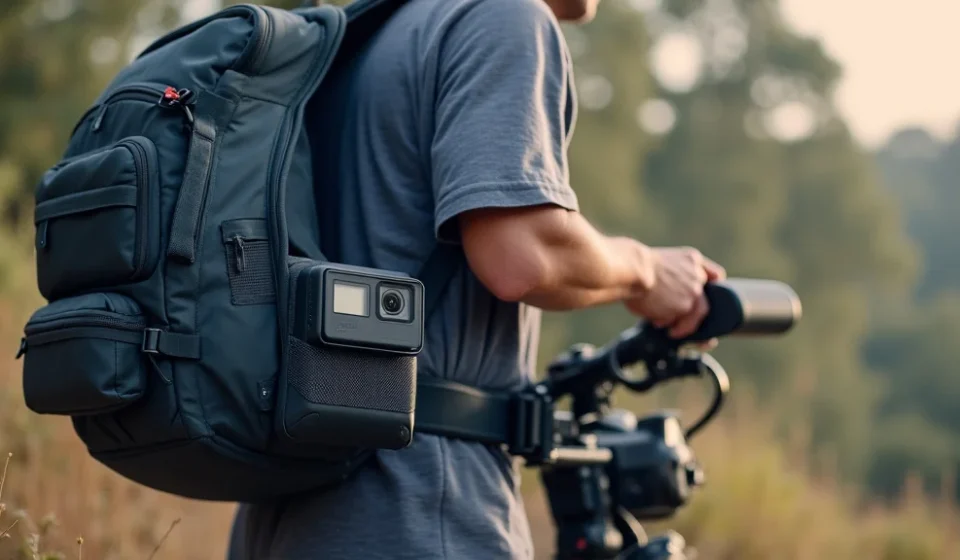

Picture this: you’re on a mountain bike trail, the sun is shining, and you’re ready to capture some epic footage. Suddenly, you realize your extra batteries are at home, or your memory card is full. This scenario highlights a common problem for action camera users. Action camera accessories bags solve this issue. They help you organize and carry everything you need. In this post, we’ll explore the essential features of these bags, helping you choose the perfect one for your adventures. You will learn how to protect your gear and maximize your recording potential. Get ready to explore the best ways to transport and organize your gear, improving your Time on Page and reducing Bounce Rate!
Key Takeaways
- Learn about the different types of action camera accessories bags.
- Understand the features that make a bag ideal for your needs.
- Discover how to organize your gear for quick and easy access.
- Find out how to protect your equipment from the elements.
- Get tips on choosing the right bag based on your activities.
- Explore top brands and models available in the market.
Choosing the Right Action Camera Accessories Bag
The first step in maximizing your action camera experience is picking the right action camera accessories bag. With so many options, from small pouches to large backpacks, the selection process can seem overwhelming. This section will explore the core aspects of choosing the ideal bag. Factors such as size, material, and the type of protection it offers all influence this decision. We’ll delve into each of these areas to help you identify the best bag that meets your specific requirements. This ensures your equipment is secure, organized, and ready for your next adventure. Selecting the right bag is about more than just storage. It is about investing in the longevity and usability of your gear.
Bag Size and Capacity
One of the first factors to consider is the size and capacity of the bag. You need to assess how much gear you typically carry. This depends on your activity. Do you need to carry just your camera and a few essentials, or do you need space for multiple cameras, batteries, mounts, and other accessories? Small pouches are great for minimalist setups. These are suitable for casual users or quick outings. Larger backpacks offer more space, perfect for serious enthusiasts and professionals who want to carry everything. The size directly affects how organized your gear will be. A bag that’s too big will let gear get lost. One that is too small might force you to leave essential equipment behind.
- Small Pouches: These are ideal for the bare essentials. They usually fit the camera, a spare battery, and maybe a small mount. They are compact and easy to carry.
- Medium-Sized Bags: These bags offer more space for additional accessories like chargers, extra batteries, mounts, and SD cards. They are versatile for various activities.
- Large Backpacks: Large backpacks offer maximum storage for multiple cameras, drones, and a vast array of accessories. They are ideal for professionals or enthusiasts who want to carry everything.
Small pouches are generally designed for simplicity and portability. They often feature a single compartment with a few internal pockets or dividers to keep items organized. The primary advantage is their ease of use. They are quick to grab and go for short trips or when you want to travel light. These are well-suited for activities where you want to minimize bulk and weight, such as hiking or cycling. The design focuses on protecting your camera and a few crucial accessories from light damage and the elements. They may not offer significant impact protection. The materials used, like nylon or neoprene, are durable and water-resistant. Examples are GoPro’s official sleeve cases, which are small, zippered cases designed to fit a camera and a few accessories.
Medium-sized bags provide a balance between capacity and portability. These bags often feature multiple compartments and pockets to keep your gear organized. Some might include padded dividers. These help protect your camera and accessories from impact. The exterior may feature weather-resistant materials to guard against rain and moisture. Shoulder straps and carry handles make them easy to transport. Examples include bags like the Lowepro ViewPoint BP 250 AW, which has dedicated compartments for cameras, accessories, and personal items. These bags are perfect for a day trip or weekend adventure where you need to carry a more comprehensive kit without excessive bulk. They are an excellent option for those who want flexibility in their gear options. They enable you to carry a wider range of accessories.
Large backpacks are designed for serious users. They typically offer multiple compartments, padded dividers, and external attachment points. These are excellent for organizing and protecting your entire setup. They often include features like a laptop sleeve. They also feature a tripod attachment system and other external pockets. They are crafted from rugged, weather-resistant materials to withstand harsh conditions. Examples include backpacks from brands like Peak Design or Tenba. These can accommodate multiple action cameras, drones, a laptop, and a large number of accessories. These backpacks are usually designed with comfort in mind, featuring padded shoulder straps, a chest strap, and a waist belt. This helps distribute the weight evenly, preventing strain during extended use. These bags are perfect for extended trips or professional shoots.
Material and Durability
The material of the action camera accessories bag plays a significant role in its durability and the level of protection it offers. The best materials are weather-resistant and can endure the stresses of outdoor use. Consider the type of adventures you typically undertake. Some materials excel in specific situations. Understanding the materials helps you pick a bag that will protect your gear and last a long time.
- Nylon: This is a popular choice due to its balance of durability and affordability. Nylon is resistant to abrasion, tears, and water.
- Polyester: Another synthetic option, polyester is known for its water resistance and resistance to UV rays. It is also less prone to fading.
- Ripstop Fabric: This is a woven fabric with a special reinforcing technique that makes it highly resistant to tearing and ripping. It is often made from nylon or polyester.
- Waterproof Materials: Bags made from waterproof materials, like TPU or Tarpaulin, provide superior protection against water damage. These materials are perfect for water-related activities.
Nylon is a synthetic fabric known for its strength and resilience. It is highly resistant to wear and tear, making it perfect for bags that will see regular use. It can withstand impacts. It also resists stretching and shrinking. Nylon is also generally water-resistant, which helps protect your camera equipment from the elements. The material’s flexibility makes it easy to mold into different bag designs. You can find nylon in various weights and weaves. This affects its strength and water resistance. It is often coated with additional layers of protection. This increases its water resistance. The easy availability and relatively low cost make nylon a great choice for many users. Manufacturers frequently use nylon in combination with other materials like polyester or reinforced stitching. This improves overall durability and performance.
Polyester is a versatile fabric with excellent water-resistant properties. It is also more resistant to fading and UV rays than nylon, making it ideal for sunny environments. Polyester is relatively lightweight, which helps keep the overall weight of the bag low. It is also very durable, with good resistance to abrasion and tearing. Polyester is often treated with a water-repellent coating. This helps to protect your gear from moisture. This makes it a great choice for use in wet conditions. The material’s ability to resist fading ensures that your bag will maintain its appearance. Many bags combine polyester with other materials. The goal is to balance protection and weight. This provides a balance of protection and longevity for your equipment.
Ripstop fabric is known for its grid-like structure. This is created by weaving thicker threads at intervals. This prevents tears from spreading. It is incredibly strong. It is also light and water-resistant. This makes it a great choice for bags that may be exposed to rough conditions. The grid pattern helps to stop any tear from expanding, preventing larger damage to the bag and its contents. This fabric is extremely effective in situations where the bag may be snagged or scraped against sharp objects. The material is often used in outdoor gear and military applications. This reflects its rugged construction. Ripstop is typically made from nylon or polyester. Manufacturers often apply a waterproof coating to enhance its weather resistance further. This ensures protection from rain and moisture.
Waterproof materials offer the highest level of protection. They are designed to prevent water from entering the bag. Common materials include Thermoplastic Polyurethane (TPU) and Tarpaulin. TPU is flexible, abrasion-resistant, and chemically stable. Tarpaulin is a heavy-duty, waterproof material made from coated canvas or polyester. Bags made from these materials typically feature sealed seams, waterproof zippers, and roll-top closures. These features provide a tight seal. This protects your gear from rain, snow, and even submersion. They are ideal for water sports, beach activities, or any environment where moisture is a concern. While providing excellent protection, these materials can sometimes be heavier than other options. Some may not breathe as well. These are trade-offs for enhanced water resistance. Ensure that the zippers and seams are properly sealed to maintain waterproof integrity.
Protection and Organization
The protection and organization features of an action camera accessories bag are critical. It prevents damage and keeps your equipment organized. The best bags combine both. They have padded compartments, adjustable dividers, and secure closures. These features ensure your equipment is well-protected. They also make it easy to find what you need quickly. This section explains the critical aspects of protection and organization in an action camera accessories bag. You need these things to safeguard your gear and improve your workflow.
- Padded Compartments: Bags with padded compartments help protect your camera and accessories from impacts.
- Adjustable Dividers: Adjustable dividers help you customize the internal layout to fit your gear perfectly.
- Secure Closures: Secure closures, such as zippers, buckles, and straps, prevent your gear from falling out.
- Weather Resistance: Look for bags with water-resistant or waterproof features to protect your gear from the elements.
Padded compartments are a standard feature in high-quality action camera accessories bags. They provide a layer of cushioning that absorbs shocks and impacts. This protects your delicate camera and accessories from damage. The padding can be made from various materials, like dense foam or a soft, microfiber lining. These materials absorb shocks. They prevent scratches and other damage. The best bags use adjustable or customizable padded dividers. You can rearrange these to fit different items securely. These dividers also separate items, preventing them from rubbing against each other. This is crucial for protecting the lenses and screens of your cameras and accessories. The thickness and density of the padding vary. This is based on the bag’s overall design and intended use. Bags designed for extreme conditions or rugged use usually have thicker padding for maximum protection.
Adjustable dividers are a game-changer. These let you adapt the interior of your action camera accessories bag. This is made possible by the use of Velcro or other attachment systems. You can organize compartments to fit your specific camera, accessories, and other equipment. This means you can create dedicated spaces. This prevents items from moving around during transport. This significantly reduces the risk of damage. You can move these dividers to create spaces of different sizes and shapes. This flexibility is essential. This adapts to changes in your gear collection. You can tailor your bag to different shooting scenarios. With adjustable dividers, you can optimize space and ensure that everything is easy to find. This means less time wasted searching for gear. It helps you focus on capturing your shots.
Secure closures are essential for keeping your gear safe and secure while you are on the move. Zippers are the most common type of closure. Quality zippers should be robust and water-resistant. They should operate smoothly without catching or snagging. Buckles provide an extra layer of security. They can be found on bags, particularly those designed for larger loads. Straps and buckles can compress the bag. This prevents gear from shifting around during transport. In bags designed for water-related activities, waterproof zippers and roll-top closures provide an airtight seal. This helps protect the contents from water. Always ensure that all closures are tightly fastened. Check them before any outing. This will prevent accidental openings and potential loss or damage.
Weather resistance is a significant advantage. This feature helps protect your equipment from rain, snow, and other environmental conditions. Water-resistant bags use materials and coatings that repel water, preventing it from soaking into the bag and damaging the contents. Waterproof bags take protection a step further. These use fully waterproof materials. They also feature sealed seams and closures to prevent water from entering. Some bags include a rain cover. This is a separate cover that can be deployed in heavy rain. This provides an additional layer of protection. Always inspect the bag’s zippers and seams for quality. Make sure they are designed to prevent water ingress. If you often use your action camera in wet environments, consider a bag with a high level of weather resistance. This investment can help extend the life of your equipment and protect your investments.
Other Important Considerations
Beyond the core features, other details can greatly impact the overall usefulness and user experience of an action camera accessories bag. Consider the weight of the bag, the ease of access, and any extra features that enhance the bag’s functionality. These can make your experience more convenient and efficient. Careful consideration of these extras can elevate your adventures. They make it easier to enjoy the process of capturing and sharing your experiences. They also provide security for your valuable equipment.
- Weight and Portability: Consider the weight of the bag, especially if you plan to carry it for extended periods. Make sure it is comfortable to carry.
- Ease of Access: Look for bags that have easy access to your equipment, with well-placed pockets and compartments.
- Extra Features: Some bags come with extra features like a tripod holder, a laptop compartment, or a built-in rain cover.
- Brand and Reputation: Research brands and read reviews to gauge the quality and reliability of the bag.
Weight is a significant factor. It affects your comfort and how easily you can transport your gear. The weight of the bag is the combined weight of the bag itself, plus the equipment you will be carrying. Heavier bags can become tiring to carry. They are less suitable for activities such as hiking or cycling. Lightweight bags are generally easier to manage. They allow greater freedom of movement. Look for bags made from lightweight materials. These are still durable and provide adequate protection. Features like padded shoulder straps, chest straps, and waist belts help to distribute the weight evenly. This prevents strain on your shoulders and back during extended use. Check the bag’s dimensions. Make sure it fits comfortably on your body and is easy to handle. This is especially important if you are often on the move.
The ease of access to your gear is crucial for a smooth and enjoyable shooting experience. The best bags are designed so that you can quickly reach your camera and accessories. Consider the placement of pockets and compartments. They should be well-organized and easily accessible. Look for bags that have a wide opening for the main compartment. This allows you to easily see and access your gear. Exterior pockets are handy for storing items you may need quickly. Features like a quick-release buckle or a zippered top provide fast access. Some bags include side access panels. This provides quick access to your camera without fully opening the bag. Before purchasing, think about your typical shooting scenarios. Consider which items you will need to access most often. You can then choose a bag that accommodates your workflow.
Extra features are often small details that add to the overall functionality and convenience of an action camera accessories bag. A tripod holder is a practical addition. This lets you carry your tripod securely without taking up space in the main compartment. A laptop compartment is useful for storing and transporting your laptop or tablet. A built-in rain cover protects your equipment during heavy rain. Some bags also include external attachment points for accessories. These may include loops or straps for attaching items like water bottles or extra gear. Consider your needs and shooting style. Choose a bag that offers the features that will make your adventures more efficient. Consider a bag with a built-in rain cover. This is a smart choice if you often shoot in unpredictable weather.
The brand reputation is often an indicator of the quality, reliability, and customer service. Researching the brand is a smart approach. It helps ensure that you are making a good investment. Look for brands known for their quality, durability, and innovation. Read reviews from other users. These provide valuable insights into the bag’s real-world performance. You can see how well it holds up over time. Check the customer service provided by the brand. This is a factor in case of any issues with your bag. Well-established brands often offer warranties and reliable customer support. This is crucial for peace of mind. Seek out reviews from various sources. This helps to form a well-rounded picture of the bag’s performance. Focus on feedback related to durability, weather resistance, and ease of use. This can guide your decision and help you choose a bag you can trust.
Common Myths Debunked
Myth 1: Any Bag Is Good Enough
Many assume that any bag, even a generic backpack, will suffice for carrying action camera gear. This is untrue. These bags do not have specialized compartments or padding. This can result in equipment damage. Proper action camera accessories bags have padded compartments and adjustable dividers. This protects cameras and accessories from impacts and scratches.
Myth 2: Waterproof Bags Are Always Bulky
Some believe that all waterproof bags are large and cumbersome. While some are larger, many smaller, waterproof options are now available. Modern waterproof bags use advanced materials like TPU and sealed designs. This delivers excellent protection without adding excessive bulk. Choose a bag that suits your needs. Consider your activities.
Myth 3: Expensive Bags Are Always the Best
Cost does not always equate to quality. While higher-end bags may have premium features, you can still find great bags that fit your budget. Consider features. Look at the materials, construction, and user reviews. You can find a bag that fits your needs. The goal is the perfect bag that delivers the right features for your adventures.
Myth 4: Organization Is Overrated
Some people think that organization in a camera bag is unnecessary. Proper organization is critical for efficiency and gear protection. Organized bags allow quick access to gear. They reduce the time spent searching for items. They also minimize the risk of damage. You can protect your valuable equipment when it is stored with care.
Myth 5: All Bags Offer the Same Protection
Some users think all bags offer the same level of protection. The type of protection varies greatly. Some bags are water-resistant. Others are fully waterproof. The best option depends on your shooting environment. Choose a bag with features suitable for the conditions where you will be filming. You should protect your gear from the elements.
Frequently Asked Questions
Question: What is the best material for an action camera accessories bag?
Answer: It depends on your needs. Nylon and polyester offer good durability and water resistance. For extreme conditions, consider waterproof materials like TPU or Tarpaulin.
Question: How important is padding in an action camera accessories bag?
Answer: Padding is very important. It protects your camera and accessories from impacts and scratches. It will help to extend the life of your equipment.
Question: Can I use a regular backpack as an action camera accessories bag?
Answer: You can, but it is not ideal. A regular backpack lacks the specialized compartments and padding that protect your gear.
Question: What features should I look for in a bag for water-related activities?
Answer: Look for bags made from waterproof materials with sealed seams and closures. You should look for reliable performance even in wet environments.
Question: How do I clean my action camera accessories bag?
Answer: Wipe the bag with a damp cloth and mild soap. Rinse thoroughly and let it air dry. Always check the manufacturer’s instructions for specific care.
Final Thoughts
Selecting the ideal action camera accessories bag is critical for any action camera enthusiast. It is more than just about carrying your gear. It is about safeguarding your equipment. It is about enhancing your shooting experience. By considering factors like size, material, protection, and organizational features, you can pick a bag that meets your specific needs. Research and choose bags with durable materials and protective features. You can ensure your cameras and accessories are ready for action. Remember to consider your shooting environment. Select a bag with features appropriate for the conditions. With the right action camera accessories bag, you will be prepared for any adventure. You will also be ready to capture every memorable moment. Go out there and start filming!


