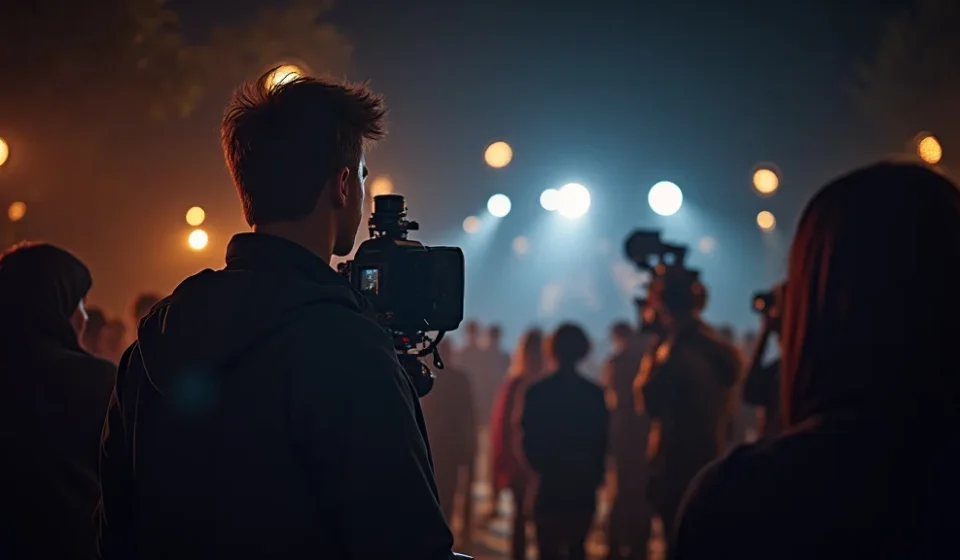

Remember that time you tried to take a perfect photo of your pet, only to end up with a blurry mess? Or maybe you’ve tried to capture the perfect lights camera action image for your social media, but it just didn’t pop? We’ve all been there! This guide will help you create captivating visuals that tell a story. You’ll learn essential techniques and tips to improve your photography skills, explore different image types, and discover how to capture the perfect shot. You’ll gain practical knowledge to capture and enhance images. Get ready to transform your images into stunning works of art and draw in viewers. This post aims to provide you with insights that improve your pictures, increase engagement, and leave a lasting impression.
Key Takeaways
- Learn about the essentials of composition, lighting, and how they shape lights camera action image results.
- Understand the difference between various image types, including shots, video, and stills.
- Discover how to use camera settings like aperture, ISO, and shutter speed for better photos.
- Explore techniques for post-processing and editing to bring out the best in your images.
- Become skilled in planning a photo shoot, from concept to execution.
- Find out how to choose the right gear for your needs and budget.
Capturing the Perfect Visual: An Introduction
The creation of a successful image involves several key elements that contribute to its appeal. These elements work together to produce a visually pleasing and engaging result. The first element to consider is composition. Composition involves arranging visual elements within the frame to create a balanced and dynamic image. The placement of subjects, use of lines, and the rule of thirds all contribute to composition. Lighting is another crucial aspect. Good lighting can transform an ordinary image into something extraordinary. Understanding how light interacts with a scene, whether natural or artificial, is critical. The quality, direction, and intensity of light affect mood, texture, and visual impact. Technical considerations such as the camera settings used play a crucial role. Adjusting aperture, ISO, and shutter speed to suit the scene is also important. Finally, post-processing completes the process. This involves editing your images to enhance their overall look.
Composition: Creating Visually Appealing Images
Composition is the art of arranging the elements within a frame to create a visually appealing image. It’s about more than just pointing and shooting; it is about deliberately structuring the scene to guide the viewer’s eye and convey a specific message or emotion. A strong composition can elevate an ordinary photograph into something that is quite striking. Effective composition allows a photographer to use the camera as a tool for storytelling. Every element within the frame, from the subject to the background, contributes to the overall narrative. Using different methods of composition can help create powerful and effective images.
- The Rule of Thirds: Imagine dividing your frame into nine equal parts using two horizontal and two vertical lines. Placing key elements along these lines or at their intersections creates a balanced image.
- Leading Lines: Use lines (roads, fences, rivers) to guide the viewer’s eye through the frame, adding depth and directing attention to the main subject.
- Symmetry and Patterns: These can create a sense of balance and visual interest. Symmetrical compositions are visually pleasing and can create a formal aesthetic. Patterns, when used creatively, can add rhythm and a point of interest.
- Framing: Using elements in the scene (such as a doorway or branches) to frame your subject can draw attention to it and add depth to the image.
- Negative Space: Leaving empty areas around your subject can draw the viewer’s eye to the main subject and create a sense of simplicity or focus.
By experimenting with these techniques, you’ll find your own style and learn how to create more impactful images.
Lighting: The Key to Visual Impact
Lighting is a fundamental aspect of photography, as it illuminates a subject and reveals its form, texture, and color. The quality, direction, and intensity of light drastically affect the look and feel of an image. Whether you’re working with natural light or artificial light sources, understanding how light interacts with a scene is essential for creating compelling images. Different types of light affect the outcome. For instance, soft light creates gentle shadows and smooth tones, making it ideal for portraits and scenes where a delicate look is preferred. On the other hand, hard light creates strong shadows and high contrast, which works well for emphasizing texture and shape. Proper management of light is key to developing images that are visually interesting.
- Direction of Light: The direction of the light source can dramatically alter the appearance of your subject. Front lighting eliminates shadows, side lighting reveals texture, and backlighting creates silhouettes and glows.
- Quality of Light: The quality of light—whether it is soft or hard—affects the overall mood of the image. Soft light comes from a large source and produces gentle shadows, while hard light comes from a small source and creates sharp shadows.
- Color of Light: Light also has color, determined by the source. Warm light (golden hour) adds a welcoming feel, while cool light (overcast days) can create a colder atmosphere.
- Using Reflectors and Diffusers: Reflectors bounce light onto the subject to soften shadows and brighten areas. Diffusers soften the light, reducing harsh shadows.
- Light and Shadows: Light and shadow play an important role in creating depth and texture in an image. Use shadows to add contrast and drama.
By considering light, you can completely change the effect of a photograph, altering the emotional connection and the visual appeal of an image.
Camera Settings: Mastering the Fundamentals
Understanding and using camera settings is fundamental to achieving creative and technically sound lights camera action image results. Your camera offers several adjustable settings that control how light enters the sensor, affecting the final image. Each of these settings – aperture, shutter speed, and ISO – plays a role in the image’s exposure. Aperture controls the depth of field, shutter speed influences motion blur, and ISO affects the sensor’s sensitivity to light. Knowing how to change these settings allows you to get the effect you want. Once you understand the basic components, you can adjust these settings to achieve different effects, from shallow depth of field to capturing motion, ultimately influencing the image.
- Aperture: Controls the size of the opening in the lens, affecting the depth of field. A wider aperture (lower f-number) creates a shallow depth of field, blurring the background. A smaller aperture (higher f-number) increases the depth of field, keeping more of the image in focus.
- Shutter Speed: Determines how long the camera sensor is exposed to light. Fast shutter speeds freeze motion, while slower speeds create motion blur.
- ISO: Measures the camera’s sensitivity to light. Higher ISO values make the sensor more sensitive, allowing you to shoot in low light, but they can also introduce noise into the image.
- White Balance: Adjusts the colors in the image to make whites appear white, compensating for different color temperatures of light.
- Metering: The camera’s metering system measures the amount of light in the scene. You can use different metering modes (evaluative, spot, center-weighted) to ensure your image is properly exposed.
By combining an understanding of these settings with practice, you can produce images with more exposure and visual appeal.
Types of Images and Techniques
There are many kinds of images, each with its unique techniques and best practices. These types include shots, which capture moments in time; stills, designed to deliver detail; and video, that brings movement and sound. Each type requires a unique set of skills and technical knowledge. Knowing these differences will help you capture the perfect shot. Whether you want a great still image or a video, mastering these fundamentals will help you make a complete visual presentation.
Photography: Capturing the Still Moment
Photography is about preserving the moment in time. Whether you’re interested in landscape, portraiture, or street photography, the core techniques and principles remain consistent. The ability to capture the world as you see it requires a strong understanding of technical aspects and creative vision. The camera is a tool, and like any tool, it must be used with intent and knowledge. Mastering the settings and techniques covered in this guide is key to creating images.
- Portrait Photography: Portraiture focuses on capturing the personality and character of a person. Key elements include:
- Choosing the right lens (usually a lens with a short focal length like a 50mm or 85mm).
- Using soft, flattering light.
- Paying attention to the background to avoid distractions.
- Landscape Photography: Landscape photography captures the beauty of the natural world.
- Utilize wide-angle lenses to capture expansive views.
- Use a small aperture to keep everything in focus.
- Pay attention to the light and shoot during the golden hour or blue hour.
- Street Photography: Street photography captures candid moments in public places.
- Use a fast lens and pre-focus.
- Anticipate moments and be quick to react.
- Understand the legal aspects of taking pictures in public.
- Macro Photography: Macro photography allows you to capture very close-up shots of small subjects.
- Use a macro lens.
- Pay close attention to detail and depth of field.
- Use a tripod to avoid camera shake.
Remember that practice and experimentation are the keys to improving your skills. Go out and start shooting!
Video: Storytelling Through Movement
Video is a dynamic medium that blends motion, sound, and visual storytelling to create an immersive experience. Video production involves a complex process. The process starts with pre-production, including planning and storyboarding. Then, comes production, when filming the scenes. Finally, post-production, which includes editing, color correction, and adding audio. Each stage requires specific techniques and skills. Learning these areas will help you create a visual story that attracts your target audience.
- Planning and Storyboarding: Before filming, plan out your shots using a storyboard, defining scenes, angles, and transitions.
- Camera Movement: Smooth camera movements, like pans, tilts, and zooms, can improve the visual flow. Avoid jerky movements.
- Sound Recording: Invest in good audio equipment and take care to record quality sound. Poor sound can ruin an otherwise great video.
- Editing Techniques: Use editing software to assemble your footage, add music, and create transitions.
- Lighting for Video: Lighting is critical in video. Use proper lighting to create the right mood and draw attention to the subject.
Video is a powerful storytelling tool. By learning these techniques, you can start making your own engaging videos.
Stills: High-Quality, Detailed Imagery
Stills provide high-resolution images that are great for detailed analysis, product photography, or images where you need sharp focus and clarity. Stills are all about detail. They involve techniques designed to create clear and detailed shots. Proper lighting, a controlled environment, and the right gear are crucial. A quality still image can serve many functions. Whether for professional applications or personal use, mastering the basics of still photography allows for high-quality photos.
- Product Photography: Product photography focuses on showing the details of a product, often in a studio setting.
- Use a tripod to keep the camera stable.
- Proper lighting is essential; it can completely change the visual appeal.
- Clean backgrounds are key to reducing visual clutter.
- Food Photography: Food photography makes food look visually appealing and delicious.
- Use natural light whenever possible.
- Pay attention to the composition to show off textures.
- Prepare the food carefully.
- Portrait Stills: Portrait stills emphasize detail and can create the feeling of being up close and personal.
- Use a short focal length.
- Control the background and lighting.
- Pay attention to detail.
- Fashion Photography: Fashion photography emphasizes detail and can create the feeling of being up close and personal.
- Use appropriate lighting setups.
- Carefully choose a background and environment.
- Have a concept ready.
Stills require a good understanding of equipment and how to control the environment to get the best results. With practice, you can get outstanding quality.
Post-Processing and Editing Techniques
Post-processing and editing are essential steps in image creation. Post-processing is the process of manipulating images after they have been captured. It includes adjustments to color, contrast, and other features. This is how you polish your images. Modern image-editing software offers a range of tools to enhance your photographs. These tools let you alter aspects such as colors, tones, and composition. The goal of post-processing is to create images that match your artistic vision. It can range from minor tweaks to comprehensive changes. Understanding these techniques can help you transform your photos and produce more engaging images.
Editing Software: Your Digital Darkroom
Digital editing software is essential for post-processing your images. These tools let you make adjustments to color, contrast, and other properties. They can fix issues like unwanted objects, or improve composition. There are different kinds of software, from simple apps on your phone to professional-level programs. Software choices can influence your workflow. The best program will depend on your skill level and what you need. A good understanding of how to use these tools helps photographers take their work to the next level.
- Adobe Lightroom: A popular choice among photographers. It has tools for organizing images. It also has features for raw file processing, color correction, and basic editing.
- Adobe Photoshop: Photoshop is a more complex program used for detailed edits, image manipulation, and graphic design.
- Capture One: Used by many professionals, Capture One offers precise color control and powerful raw processing capabilities.
- GIMP: A free, open-source program that offers a wide range of editing tools. A good alternative to Photoshop.
- Photopea: A web-based image editor that’s free and offers many of the features of Photoshop.
Learning how to use these programs is key to improving and perfecting your images.
Color Correction: Mastering the Palette
Color correction is essential in post-processing. This includes adjusting colors, tones, and white balance to create images that reflect the way you see the world. It involves making adjustments to colors so they look natural. This may mean adjusting white balance, correcting color casts, and improving overall tones. Correct color is important for the visual feel of your images. Color correction can enhance photos in many ways. It can also help fix problems such as washed-out or dull colors, or unwanted color casts. Learning color correction methods enables you to create visually appealing images.
- White Balance: Make the colors accurate. Adjusting the white balance corrects colors.
- Contrast and Brightness: Adjust the overall brightness and contrast of the image.
- Color Grading: Add a specific look to your images by changing the colors.
- Saturation and Vibrance: Adjust color saturation to give your image more or less color.
- Use of Curves and Levels: Fine-tune the image’s colors by adjusting the distribution of tones.
By mastering these color correction methods, you can improve the appearance of your images and also change the way viewers feel.
Retouching: Refining Your Images
Retouching is the process of modifying an image to improve its appearance. This can involve removing blemishes, fixing imperfections, and enhancing certain features. Retouching techniques can vary, from simple adjustments to complex manipulation. It is used to create pictures that meet certain quality standards. Retouching should be done in a subtle and natural way. The goal of retouching is to improve the image. It is also used to get rid of distractions, and create a finished look that matches the creator’s intent. Proper retouching skills are important for quality image production.
- Blemish Removal: Remove unwanted spots, scars, or imperfections from the skin or background.
- Skin Smoothing: Soften skin texture to make it look smoother.
- Object Removal: Delete unwanted items or distractions from the photo.
- Color and Tone Adjustments: Fine-tune colors and tones to produce a consistent and pleasing result.
- Dodge and Burn: Lighten or darken certain areas to shape the subject and create depth.
Mastering these skills allows you to polish your images and take them to a higher level.
Planning and Execution
Effective visual communication requires preparation. This includes planning a photo shoot and arranging the scene. Understanding the basics helps make your vision a reality. Whether it is a product shot, a portrait, or a video, careful planning is important. The steps include: making a concept, finding locations, and gathering all the necessary tools. Careful planning and execution will give you the best outcomes.
Pre-Production: From Concept to Planning
Pre-production is the essential phase. It lays the groundwork for a successful visual project. This phase focuses on developing the concept, creating a plan, and gathering the resources needed. Pre-production consists of several key steps, starting with idea development. You will also need to locate a space, set a budget, and plan for any problems that could occur. This careful preparation is critical to helping your project run smoothly. It can also reduce problems when it comes time to create the project. Taking the time to do pre-production will help your lights camera action image project succeed.
- Concept Development: Start with a clear concept. What story are you trying to tell? What mood do you want to create? Sketch ideas.
- Storyboarding: Create a storyboard to visualize the scene and shots.
- Location Scouting: Find a place that matches your vision. Consider lighting and background.
- Gear and Equipment: Make a list of all necessary tools, including cameras, lenses, lights, and any props.
- Scheduling: Set a time to do your work. Plan for enough time to get the job done right.
Planning will help you organize your creative vision and improve your images.
Setting Up Your Scene: Creating the Perfect Environment
Setting up your scene is a key step. This involves arranging all of the elements in your frame to match your vision. A well-set scene is very important because it greatly affects your pictures. You need to consider many things, such as lighting, composition, and background. Proper setup can mean the difference between a good picture and a truly outstanding one. You can use different methods to set up your shot. These could be done in a studio or in an outside area. This is how you produce a lights camera action image.
- Lighting Setup: Place lights to give the right look. Use soft light for portraits and hard light for other images.
- Composition: Set up the composition. Arrange your subjects and objects using the rule of thirds.
- Background: Pick a background that goes with your story. Keep it clean and free from distractions.
- Props and Accessories: Add props or accessories. These details can give the picture more interest and depth.
- Test Shots: Before you start shooting, take a few test shots. Make adjustments to your scene.
By learning how to set up your scene, you will be able to create better, more engaging images.
Execution: Bringing Your Vision to Life
Execution is the moment when your plan becomes reality. Once the pre-production phase is complete, you are ready to start shooting your images. The execution phase is all about bringing your ideas into life. This means that you need to use the right technical skills. You should also work well with the people involved to achieve your vision. This includes adjusting your camera settings and working with people in front of the camera. The goal is to finish the project. This involves getting the shot and doing the editing to create the images you want.
- Camera Settings: Use the camera settings from the plan. Make adjustments for light.
- Shoot in a series: Take many shots from different angles. This gives you many options.
- Working with Models: Help your models feel comfortable. Give them clear advice and advice to get the result you want.
- Review and Adjust: Review the images as you go and make changes.
- Experimentation: Be open to new ideas and different methods. Don’t be afraid to try new ideas.
By following these steps, you can create the images you envision and get the best results.
Choosing the Right Gear
The right gear can greatly impact the quality of your images. It is key to understand what you need and what you will use. Whether you are a beginner or professional, you will need to choose the gear that meets your specific needs. Cameras, lenses, lighting, and other accessories play an important role in the finished product. Having the proper gear is like having the right tools for the job. This section explores gear. It also looks at how to choose the right gear for your requirements. This helps you get the best outcomes.
Cameras: The Heart of Your Setup
The camera is the central part of your setup. Your camera choice is the first step in starting. Different kinds of cameras are there. Each has unique features and benefits. You will need to think about your skill level and how you plan to use the camera. Things you should consider are the image quality, portability, and ease of use. Understanding what the features mean will help you choose the best tool for your work. You can start with basic cameras, then add more tools.
- DSLR Cameras: Offer high-quality images and a variety of lens options, ideal for professionals and hobbyists.
- Mirrorless Cameras: These cameras are small and lightweight. These offer great image quality and advanced features.
- Point-and-Shoot Cameras: These cameras are easy to use. They are perfect for beginners.
- Smartphone Cameras: Modern smartphones have cameras that are useful for casual use and social media.
- Consider Features: Think about features, such as image stabilization, video capabilities, and sensor size.
Knowing what features are best for you will help you select the right camera and maximize the quality of your work.
Lenses: Expanding Your Creative Possibilities
Lenses can expand your creative options. Different types of lenses can greatly affect your images and style. Knowing what a lens does can help you decide how to use it. Lens selection affects the look, angle, and perspective of the final product. Your lenses will help you use various creative methods. They let you zoom in, create depth of field, or widen the field of view. By learning more about the lenses, you can express your creative vision. From basic zoom lenses to specialty lenses, each one has features that will meet the demands of your images.
- Prime Lenses: These lenses have a fixed focal length. They provide great image quality.
- Zoom Lenses: Zoom lenses have flexible focal lengths. They are versatile, allowing you to zoom in or out.
- Wide-Angle Lenses: These lenses capture a wide field of view. Good for landscapes and group shots.
- Telephoto Lenses: These lenses zoom in on subjects from a distance. Useful for wildlife and sports.
- Specialty Lenses: These include macro lenses, fisheye lenses, and tilt-shift lenses.
Choosing the best lenses will help you achieve the results you want and help you grow as a photographer.
Lighting and Accessories: Enhancing Your Setup
Lighting and accessories can improve your work. These tools can make a big difference in how your images look. By understanding lighting, you can change the mood, add texture, and create the images you want. You should also consider things like tripods, reflectors, and bags. These can greatly improve your setup. Learning about the different tools will help you create high-quality images.
- Lighting Kits: Lighting kits are great for both indoor and outdoor work. They include lights, softboxes, and stands.
- Reflectors and Diffusers: Reflectors and diffusers change how light bounces. They create softer, more pleasing light.
- Tripods: Tripods keep cameras steady. They are helpful for shots with a long exposure.
- Camera Bags: Keep equipment safe. They also let you carry everything.
- Memory Cards: Choose cards that work well. Make sure you have enough storage.
These tools, along with the right accessories, will help you improve your photos.
Common Myths Debunked
Myth 1: You Need Expensive Gear to Take Great Photos
Reality: While expensive equipment can offer certain advantages, it’s not the primary factor in creating great photos. Skill, creativity, and a good eye are far more important. Many stunning images are taken with basic equipment. A skilled photographer can make the most of what they have. Focus on learning about composition, lighting, and post-processing techniques. You will produce great results without breaking the bank. Expensive gear is often used to make images faster, but is not needed.
Myth 2: More Megapixels Equals Better Photos
Reality: While megapixel count is a factor, it is not the most important thing for image quality. Other things, such as the sensor size and quality of the lens, greatly affect picture quality. A camera with many megapixels does not always mean better images. The quality of the image depends on many factors. Instead of just focusing on pixels, focus on a high-quality lens and the camera’s sensor. You can also master the essential techniques for better shots.
Myth 3: Auto Mode Is Only for Beginners
Reality: Auto mode is not just for beginners; it is a helpful tool for many photographers. Auto mode can be a quick and efficient way to capture a scene. Advanced photographers use auto mode when they want to quickly capture a moment or when there is limited time. It can be useful in unpredictable lighting conditions. Auto mode has improved with time. It can give you great results. The purpose of auto mode is to get great pictures. Many professional photographers use auto mode for certain types of photography, and you can, too.
Myth 4: Editing Ruins the Authenticity of a Photo
Reality: Editing is a fundamental part of the photo process. It is about enhancing, not changing, the original image. Basic edits, such as brightness and contrast adjustment, make the photo look its best. Many photographers want to reflect the emotion they have in a scene. The goal of editing is not to make the photos fake. You can adjust colors and the look, which can help get your best work. When used carefully, editing can make a photograph better and match the picture to your ideas.
Myth 5: You Have to Be a Professional to Take Good Photos
Reality: You do not need to be a professional photographer to take great pictures. Taking great photos is more about creativity and skill. There are many ways to build your skill, whether you take classes or read books. It is possible to take great pictures by learning and practicing. You can also become a good photographer by using creativity. There are many photographers who produce great photos and are not paid to do it. You can achieve fantastic results as an amateur.
Frequently Asked Questions
Question: What is the rule of thirds?
Answer: The rule of thirds is a composition guideline in photography, dividing an image into nine equal parts using two horizontal and two vertical lines. Placing key elements along these lines or at their intersections creates balance and visual interest.
Question: What is ISO in photography?
Answer: ISO measures the sensitivity of the camera’s sensor to light. A higher ISO number makes the sensor more sensitive, allowing you to shoot in low-light conditions, but it can also introduce noise into the image.
Question: What’s the best way to get a blurry background?
Answer: Use a wide aperture (lower f-number) on your lens. This narrows the depth of field, blurring the background while keeping the subject in sharp focus. This is good for portraiture.
Question: What are the main steps in post-processing?
Answer: The main steps in post-processing involve color correction, where you adjust the colors, tones, and white balance; retouching, where you refine the image by removing blemishes and unwanted elements; and finally, adding any special effects to achieve your artistic vision.
Question: Can I take good photos with a smartphone?
Answer: Yes! Modern smartphones have impressive camera capabilities. Focus on composition, lighting, and practicing techniques. Smartphone cameras offer a wide range of features and settings that can produce excellent results.
Final Thoughts
This guide has explored the key areas of lights camera action image, from understanding the basics to mastering advanced techniques. You have explored the value of composition, the impact of lighting, and the importance of camera settings. You’ve also looked at the different image types. Remember that practice is essential; the more you take pictures, the more you will improve. Do not be afraid to experiment with new methods and styles. Your vision will evolve as you become more skillful. Whether you’re interested in photography, video production, or product images, you can create work. Remember, the journey to a great picture requires learning. Take pictures. Create your vision. You will get great results.


