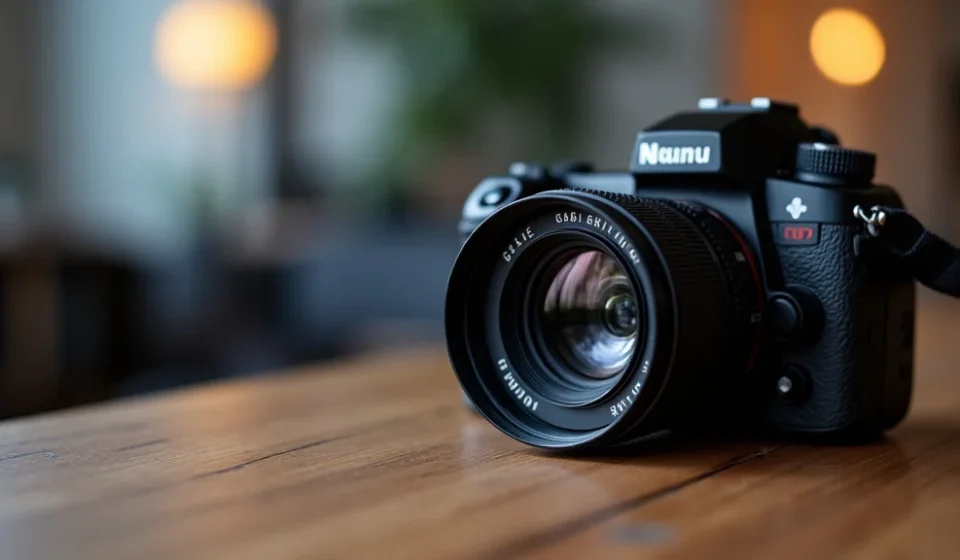

Picture this: you’re on a stunning vacation, ready to capture breathtaking landscapes, only to discover your camera battery is dead. Frustrating, right? Or perhaps you’re editing photos later and wish you had a better way to organize them. This is where the right camera accessories and gadgets come into play, transforming your photography experience from good to amazing. This guide will equip you with knowledge about essential gear, from tripods to memory cards, and how each tool can elevate your images. You will also discover the latest gadgets, gaining insights that ensure you’re well-prepared for any shooting situation, helping you improve your skills and save time, leading to more enjoyable and successful photography sessions.
Key Takeaways
- Discover essential camera accessories and gadgets for photographers of all skill levels.
- Learn about essential gear like tripods, memory cards, and camera bags that can improve photo quality.
- Understand how to use accessories and gadgets to adapt to different shooting scenarios.
- Learn about gadgets that can streamline your workflow and make shooting easier.
- Explore new and trending tools that will bring your photography to the next level.
- Gain insights into how to choose the right gear for your specific needs and style.
Essential Camera Accessories and Gadgets for Better Photos
Photography is more than just owning a camera. It’s about having the right tools to make your creative vision a reality. There’s a wide selection of accessories and gadgets that can elevate your work. Many accessories aren’t just convenient; they can greatly affect the quality and versatility of your images. Whether you’re a beginner or a seasoned professional, having the right gear is key for taking photos that stand out. This section explores several important accessories, explaining their functions, features, and benefits, ensuring you’re well-equipped to capture every moment.
Tripods: Stability for Sharper Images
A tripod is one of the most important camera accessories and gadgets for anyone who wants to take sharper photos. They are especially vital for low-light situations, long exposures, and when using telephoto lenses. By providing a stable base, tripods eliminate camera shake, which is a common cause of blurry photos. Investing in a good tripod can dramatically improve the quality of your images. Tripods come in different sizes, materials, and designs, each with pros and cons to match various needs and shooting environments. Selecting the right one involves considering factors like weight, height, and the type of photography you do.
- Stability: A tripod keeps your camera steady, preventing blur caused by movement. This is especially helpful in low light when the camera needs a longer exposure time.
- Flexibility: Different tripod designs offer varying levels of flexibility. Some tripods have adjustable legs that allow for shooting on uneven terrain, while others have ball heads that enable you to quickly change the angle of your shot.
- Material: Tripods are made from materials like aluminum, carbon fiber, and plastic. Each material has different features. Aluminum tripods are generally more affordable and durable. Carbon fiber tripods are much lighter and provide better vibration dampening.
- Height and Weight Capacity: Choose a tripod with a height that suits your shooting needs and a weight capacity that is greater than your camera and lens combination.
Stability is critical, especially when taking photos in dim conditions or with zoom lenses. Without a tripod, the slightest movement can result in a blurry image. Even photographers with steady hands can benefit from using a tripod, as it ensures sharpness and clarity in every shot. Stability is not only important for crisp photos; it also allows you to be more creative. For instance, using a tripod opens the door to long exposure photography, allowing you to capture stunning effects like silky water or light trails.
The flexibility of a tripod is an often-overlooked feature. Consider the locations where you usually take photos. A tripod with legs that can adjust independently is perfect for outdoor photography and allows you to level your camera. Ball heads provide the ability to change your camera angle quickly, while a geared head offers precision for careful framing. This flexibility lets you take pictures from almost any angle.
The material of your tripod affects its portability, durability, and vibration resistance. Aluminum tripods are a great option for those new to photography or on a budget. They are heavy-duty and can withstand more wear and tear. Carbon fiber is lighter, which is better for people who do a lot of traveling. It also does a better job of absorbing vibrations, which leads to sharper images. Plastic tripods are a budget option that should only be used for light cameras.
You need a tripod that can handle the weight of your equipment while providing the right height for your shooting style. Consider how tall you are and how high you often need to position your camera. If you have heavy lenses or plan to use a telephoto lens, make sure the tripod can support the weight. Choose a tripod with a weight capacity that is higher than the total weight of your gear to avoid any issues.
Memory Cards: Storing and Transferring Your Photos
A good memory card is a vital camera accessories and gadgets because it’s where your photos and videos are stored. The speed and capacity of your memory card can impact your shooting experience. If a card is too slow, you might miss important moments, or it may limit your ability to shoot high-resolution photos or videos. Several types of memory cards are available, each offering different speeds and storage capacities. Choosing the right memory card includes understanding its specifications and how they affect your photo-taking.
- Storage Capacity: Determine the amount of storage you need based on the resolution of your camera, the number of photos you take, and whether you shoot video.
- Speed Class: Memory cards are labeled with speed classes, like Class 10, U1, U3, and V30. These ratings show how fast data can be written to the card. Faster cards are needed for continuous shooting and video recording.
- Card Type: The most common types of memory cards are SD (Secure Digital) cards and CFexpress cards. SD cards are used by most cameras, while CFexpress cards are designed for professional cameras and offer faster speeds.
- Durability: Memory cards can be affected by extreme conditions. Choose cards that can withstand a range of temperatures, humidity, and physical impacts.
Storage capacity should be one of the first things you consider when choosing a memory card. Higher-resolution cameras and video recording take up more space. If you’re shooting in RAW format or capturing 4K video, you’ll need more storage than someone taking smaller JPEGs. Think about the number of photos you usually take on a single shoot and choose a card that gives you enough room, ideally with some extra space.
The speed class of a memory card affects the rate at which your camera can save photos and videos. If you plan to shoot action shots or record videos, you need a card with a higher speed class. For instance, a U3 or V30 card is best for 4K video recording, while a Class 10 card might be sufficient for basic photography. Choosing a slower card can lead to delays in saving your photos.
Different cameras use different types of memory cards. SD cards are the most common and are used by many cameras. CFexpress cards offer much faster speeds. Consider which type of card your camera supports and choose the best type for your needs. Always check the compatibility of your camera with the memory card type you select to avoid any issues.
The durability of your memory card is key, especially if you shoot outdoors in challenging environments. Make sure the card is designed to handle different temperatures and humidity levels. Some cards are waterproof, dustproof, and shockproof. Consider these factors based on the conditions you usually shoot in. A durable card protects your photos and videos.
Camera Bags: Protecting Your Gear
A good camera bag is a vital camera accessories and gadgets to protect your investment. Camera bags come in different styles and sizes. Their primary job is to protect your camera, lenses, and other gear from the elements and accidental damage. It also helps in keeping your gear organized, making it easier to find what you need quickly. When choosing a camera bag, consider your shooting style, the amount of gear you carry, and the environments you often work in. A well-selected camera bag will keep your gear safe and make photography more convenient.
- Types of Bags: Different types of camera bags include backpacks, shoulder bags, messenger bags, and rolling cases. Each type has pros and cons. Backpacks distribute weight evenly, shoulder bags are quick to access, and rolling cases are great for heavy equipment.
- Capacity: Consider how much gear you usually carry. A bag that is too small won’t hold all your equipment, while a bag that is too large can be cumbersome.
- Material and Protection: Look for bags made from durable, weather-resistant materials to protect your gear from rain, dust, and impacts.
- Comfort: Look for a bag that is comfortable to carry, especially if you carry it for extended periods. Padded straps and a breathable back panel can help reduce strain.
Choose a camera bag that is right for your shooting style and the type of photos you take. Backpacks are comfortable for carrying gear over longer distances and can hold a lot of equipment. Shoulder bags offer quick access to your camera and lenses, making them perfect for street photography. Messenger bags offer a balance between comfort and accessibility. Rolling cases are ideal for transporting a lot of gear. Consider the type of photography you do and select the bag that suits your needs.
When selecting a camera bag, think about all of the gear you need to carry. List your camera bodies, lenses, flashes, batteries, memory cards, and other accessories. Then, find a bag that has enough space to hold everything. It’s often helpful to get a bag that’s a bit larger than you need. This gives you extra room for items. Always make sure the bag has adjustable compartments for proper organization.
The material of your camera bag is important for protecting your equipment from the elements and damage. Bags made from water-resistant materials can keep your gear safe from light rain and splashes. The bag should also have padded compartments to protect your camera and lenses from shocks and bumps. Zippers, closures, and straps should be strong and reliable. Make sure the bag can withstand the conditions where you usually shoot.
Comfort is a key factor, especially if you plan to carry your bag for a long time. Look for padded shoulder straps and a padded back panel that provide comfort and support. Consider the bag’s weight when it’s empty, and make sure it’s not too heavy. Being comfortable will let you focus on your photography.
Advanced Camera Accessories and Gadgets to Elevate Your Work
Once you have the essential camera accessories and gadgets, it’s time to explore tools that can improve your work. These accessories range from external flashes and lighting modifiers to specialized lenses, all designed to give you more control over your images. Whether you want to improve your portraits, landscapes, or close-up photography, these advanced tools can make it possible. By investing in these gadgets, you can take your skills to the next level and produce higher-quality photos.
External Flashes and Lighting Modifiers
External flashes and lighting modifiers are camera accessories and gadgets that are essential for photographers who want more control over their lighting. An external flash provides more light and creative control than a built-in flash. Lighting modifiers, like softboxes and umbrellas, change the quality of light, softening shadows and creating a more pleasing effect. Using these tools lets you experiment with different lighting setups and produce photos with professional-looking results. Mastering these accessories is critical for improving your portraits, events, and many other types of photography.
- External Flash Units: External flashes are more powerful and versatile than built-in flashes. They allow you to control the direction, intensity, and color temperature of the light.
- Lighting Modifiers: Softboxes, umbrellas, and diffusers change the quality of light. They soften harsh shadows and create a more flattering effect.
- Radio Triggers: Radio triggers allow you to use your flash off-camera, giving you even more flexibility to position your lights and create different lighting setups.
- Color Gels: Color gels can be used to add colored light to your photos, creating a creative and artistic effect.
An external flash unit is one of the most important upgrades you can make to your photography. Unlike the built-in flash on your camera, an external flash provides much more light output. It also offers creative flexibility in controlling your lighting. You can bounce the flash off walls or ceilings to soften the light. You can also use it to add light and detail to your photos or freeze motion.
Lighting modifiers are tools that help you change the quality of the light from your flash. Softboxes and umbrellas spread the light, resulting in softer shadows and a more natural look. Diffusers and reflectors can also be used to soften or redirect the light. These modifiers are perfect for portrait photography, giving you a better way to control how your subjects are lit.
Radio triggers let you use your flash from a distance and control the flash output from your camera. This gives you greater control over your lighting. You can position the flash separately from the camera. This is great for creating dramatic shadows or highlighting different areas in your photos. Radio triggers are great for studio and location photography.
Color gels let you add color to your flash. These are colored plastic sheets placed in front of your flash. They can be used to create dramatic effects, add special lighting, and change the mood of your images. Color gels are used in creative portraits, product photography, and event photography.
Specialized Lenses
Specialized lenses can significantly expand your photographic capabilities. While the kit lens that comes with your camera is a good start, switching to specialized lenses allows you to capture images that would otherwise be impossible. These camera accessories and gadgets offer unique perspectives and features. From wide-angle lenses for landscapes to macro lenses for close-ups, the right lens can make your photos stand out. These lenses provide new creative options, helping you produce more compelling images.
- Wide-Angle Lenses: Wide-angle lenses are ideal for capturing vast landscapes, architectural shots, and group photos.
- Telephoto Lenses: Telephoto lenses are designed for capturing distant subjects. They are ideal for wildlife photography, sports photography, and portrait photography.
- Macro Lenses: Macro lenses are designed for close-up photography. They let you capture tiny details and create stunning images of insects, flowers, and other small objects.
- Prime Lenses: Prime lenses have a fixed focal length, meaning they do not zoom. They are often faster and sharper than zoom lenses.
Wide-angle lenses are perfect for capturing landscapes and architecture. They have a wider field of view than a standard lens, allowing you to include more of your surroundings in the frame. These lenses can also create a sense of depth, drawing the viewer into your images. Wide-angle lenses are essential for travel photography and capturing expansive scenes.
Telephoto lenses are ideal for photographing subjects from a distance. Their ability to magnify a scene makes them perfect for wildlife, sports, and any situation where you cannot get close to your subject. These lenses also compress the background, creating a shallow depth of field, which is great for portrait photography.
Macro lenses let you get very close to your subject. They are designed for close-up photography. They are perfect for capturing insects, flowers, and other small objects with great detail. With a macro lens, you can reveal hidden features and textures and create eye-catching images.
Prime lenses have a single focal length, providing superior image quality and a wide aperture for low-light shooting. They often offer a wider maximum aperture than zoom lenses, allowing more light to enter the camera. This is great for portraits, creating a shallow depth of field to isolate your subject. Prime lenses are also often smaller and lighter than zoom lenses.
Filters: Controlling Light and Enhancing Effects
Filters are camera accessories and gadgets that attach to the front of your lens. They help you control light and modify the look of your images. These filters are not only for protecting your lens. They can also enhance the look of your photos by reducing glare, increasing color saturation, or creating special effects. Filters give you even more creative control over your photography, enabling you to capture the scene exactly how you see it. They are a valuable tool for photographers of all skill levels, improving the quality of their work.
- UV Filters: UV filters protect your lens from scratches, dust, and UV light.
- Polarizing Filters: Polarizing filters reduce glare and reflections, increase color saturation, and darken skies.
- Neutral Density (ND) Filters: ND filters reduce the amount of light entering the camera. They allow for slower shutter speeds in bright light, useful for creating motion blur or achieving a shallow depth of field.
- Graduated ND Filters: Graduated ND filters darken only part of the image, allowing you to balance the exposure between the sky and the foreground.
UV filters are often the first accessory people buy for their camera. UV filters are designed to protect your lens. They block ultraviolet light and protect against scratches, dust, and fingerprints. They also reduce haze and improve image clarity. They’re a simple yet effective way to maintain the life and quality of your lens.
Polarizing filters have a major effect on your photos. They reduce glare and reflections from non-metallic surfaces, such as water and glass. They can increase the color saturation of your images and darken blue skies, making your photos look vibrant and detailed. These filters are very useful for landscape and outdoor photography.
ND filters are like sunglasses for your camera lens. They reduce the amount of light that enters your camera. They allow you to use a slower shutter speed, which is great for blurring motion, such as water or clouds. They can also let you use a wider aperture in bright conditions to create a shallow depth of field. ND filters are essential for many types of photography.
Graduated ND filters have a part of the filter that is darker than the rest. These filters let you control the exposure in your images. You can balance exposure between a bright sky and a darker foreground. These filters are useful for landscape photography and prevent the sky from being overexposed.
Gadgets for Post-Processing and Workflow Efficiency
After you take your photos, the work doesn’t stop. Post-processing is a critical part of the photography process, allowing you to refine your images. The right camera accessories and gadgets can streamline your workflow, saving you time and giving you greater control over your final results. These tools can help you organize and edit your photos efficiently. From image storage to color calibration, these gadgets help make sure your images look their best.
External Hard Drives and Backup Systems
Protecting your photos is critical, and a good backup system is one of the most important camera accessories and gadgets you can get. External hard drives offer large storage capacity for all your photos and videos. They are also essential for backing up your files to protect against data loss. These systems ensure that your photos are safe, providing peace of mind. Investing in a reliable backup system helps safeguard your work. It’s a key part of your workflow, ensuring your memories are preserved.
- External Hard Drives: External hard drives provide a simple way to store large numbers of photos and videos. They offer lots of storage space at a low cost.
- Network Attached Storage (NAS): NAS devices allow you to back up your photos to a central location. They can also be accessed from multiple devices.
- Cloud Storage: Cloud storage services provide an off-site backup for your photos, protecting them from physical damage and theft.
- RAID Systems: RAID (Redundant Array of Independent Disks) systems store your data across multiple hard drives. They provide data redundancy, which protects against data loss if a hard drive fails.
External hard drives are key for storing and backing up your photos. These drives provide a simple and affordable way to store large volumes of data. They come in various sizes, from terabytes to many terabytes, allowing you to back up your entire photo collection and store new photos. Choose a reliable brand and consider the speed of the drive for faster transfer and access.
Network Attached Storage (NAS) devices provide a centralized, shared storage solution for all your devices. These devices let you back up your photos and access them from multiple devices on your network. They are great for organizing and sharing photos. They also protect your data with built-in redundancy, which is very important.
Cloud storage is an off-site backup for your photos. Services like Google Photos, Dropbox, and others store your photos online. These options protect your files from physical damage, theft, or other disasters. They also provide convenient access to your photos from anywhere. Choose a cloud service that provides sufficient storage for your needs and offers the security you need.
RAID systems are advanced storage solutions that provide data redundancy. Your data is split across multiple hard drives. If one drive fails, the RAID system can still recover your data. RAID systems offer high levels of data security and are ideal for photographers. Consider the different levels of RAID, as some offer better performance and data protection.
Color Calibration Tools
Color calibration tools are camera accessories and gadgets that make sure your photos look accurate on any screen. Your monitor’s color display can be inaccurate, which can affect your editing. A color calibrator ensures consistency, helping you make adjustments. This results in prints that are true to your vision. Color calibration is especially important for photographers who want to be accurate. It ensures the colors in your photos look the way you intend, providing a professional finish.
- Monitor Calibrators: These tools calibrate your monitor to ensure that the colors displayed are accurate. They also correct for color variations that occur over time.
- Printer Profiling Tools: Printer profiling tools help you get prints that match the colors on your monitor. They make a color profile for your printer to ensure color consistency.
- Software Calibration: Some photo editing software includes color calibration features that can help improve the accuracy of the colors displayed.
- Color Calibration Workflow: A good color calibration workflow includes calibrating your monitor, editing your photos, and then soft-proofing to see how they will look when printed.
A monitor calibrator is a tool that ensures that your monitor displays colors accurately. These devices measure the colors displayed by your monitor. They then create a profile that corrects any inconsistencies. This lets you see the true colors in your photos. Accurate color calibration is critical for photo editing, as it helps you make proper adjustments and make your images look the best they can.
Printer profiling tools make sure that the colors in your prints match those on your screen. These tools create a color profile that is specific to your printer and paper combination. This lets you make prints that match the colors in your edited images. Printer profiling tools make the printing process accurate, allowing you to create prints that match your color vision.
Some photo editing software packages have built-in color calibration features. These software solutions use your monitor’s display settings to fine-tune your color display. These tools provide a quick and simple way to adjust your colors. While they are not as precise as a dedicated calibrator, they can still improve your color accuracy and provide you with better results.
A proper color calibration workflow ensures accurate color throughout the whole process. Start by calibrating your monitor to ensure accurate color display. Then, edit your photos, making your adjustments. After editing, use soft-proofing features in your software to simulate how your photos will appear when printed. Following this process will make sure that your photos look great on your screen and in print.
Photo Editing Software and Plugins
Good photo editing software and plugins are important camera accessories and gadgets for post-processing your images. These tools let you make adjustments to color, contrast, and other features. They also allow you to correct imperfections. The right software and plugins improve your photos. The features available, from basic adjustments to advanced editing, offer many ways to make your images better. The best software and plugins make your editing efficient and offer creative control.
- Photo Editing Software: Software like Adobe Lightroom, Photoshop, and Capture One allow you to edit your photos. They provide tools for basic adjustments and complex editing.
- RAW Processing: RAW processing software lets you process your RAW files, giving you more control over your editing process.
- Plugins and Presets: Plugins and presets can speed up your workflow and provide creative effects. They can automate parts of the editing process.
- Workflow Management: Effective workflow management tools organize and manage your photos. These tools streamline your photo-editing process.
Photo editing software offers a range of tools. It helps you make adjustments to exposure, color, contrast, and other features. They are essential for any photographer who wants to refine their images. Adobe Lightroom, Photoshop, and Capture One are popular choices. Each program has different strengths and features. Choosing the right software for your needs is important.
RAW processing software allows you to process your RAW image files, providing you with great flexibility. RAW files contain all the information from your camera sensor. This software offers options for adjusting exposure, white balance, and other features. This provides a great amount of detail. Choosing the best software for RAW processing can improve your editing and help you produce better photos.
Plugins and presets extend the capabilities of your photo editing software. They provide additional filters, effects, and tools to help you streamline your workflow and make creative changes to your images. Presets are pre-configured settings that can be applied to your photos. They provide a quick way to change the look and feel of your photos. Plugins add advanced features. Both are great.
Good workflow management is crucial for efficient photo editing. Tools for organizing, cataloging, and managing your photos are essential for professional photographers. These tools streamline the whole process, from importing to exporting. Good workflow management helps you save time, remain organized, and focus on being creative.
Common Myths Debunked
Myth 1: You Need the Most Expensive Gear to Take Great Photos
Many photographers think that you need expensive equipment to produce amazing photos. However, this is not true. While having high-end gear can be helpful, the photographer’s skill and creative vision are much more important. Great photos are made by how you see and frame your subject. You can create great photos with basic camera accessories and gadgets if you are skilled in composition, lighting, and storytelling. Practice, and a good eye are more important than spending a lot of money.
Myth 2: More Megapixels Always Mean Better Image Quality
While resolution is an important factor, megapixels alone do not always equal better image quality. The overall quality of a photo is affected by the size of the camera sensor, the quality of the lens, and the image processing. A camera with fewer megapixels but a larger sensor can produce photos with better dynamic range, less noise, and superior low-light performance. Focus on the combined performance of your equipment, not just the number of megapixels. Camera accessories and gadgets like high-quality lenses often have a greater effect than pixel count.
Myth 3: Autofocus Is Always the Best Way to Focus
While autofocus is quick and convenient, it is not always the best way to focus. Manual focus can be more precise, especially in low light or when focusing on very specific subjects. Manual focus offers greater control, allowing you to choose your focus point. It can also overcome limitations with autofocus. Mastering manual focus can help you capture sharp photos in situations where autofocus may fail. Knowing when and how to use both autofocus and manual focus is an important skill.
Myth 4: You Can’t Take Good Photos in Bad Weather
Bad weather can be very helpful for photographers. Conditions like fog, rain, or snow can create unique atmospheres. They also produce interesting effects, making your photos stand out. These conditions can create soft light. This is great for portraits, and the colors in your photos can pop. Do not avoid shooting in bad weather. Embrace it to produce more compelling images. It is also a good idea to protect your camera accessories and gadgets from the weather when shooting.
Myth 5: You Always Need to Use Flash for Indoor Photography
You do not always need to use a flash for indoor photography. Modern cameras have a high ISO performance. They allow you to take photos in low light without flash. Using available light can produce a more natural look. You can also use a reflector or bounce the light from an external flash to provide softer light. Using natural light and knowing when to use flash can expand your creative options.
Frequently Asked Questions
Question: What are the best camera accessories and gadgets for beginners?
Answer: For beginners, start with a good camera bag, an extra battery, and a UV filter for your lens. As you progress, consider a tripod and a basic external flash.
Question: How do I choose the right memory card for my camera?
Answer: Check your camera’s specifications to determine the type of memory card it supports. Consider the storage capacity, speed class, and durability that fit your shooting needs.
Question: How can I protect my camera gear when traveling?
Answer: Use a camera bag designed for travel, carry insurance, and consider a waterproof cover. Avoid checking your camera gear in at the airport.
Question: What is the benefit of using an external flash?
Answer: An external flash provides more power and control over your lighting. It lets you direct light, adjust the intensity, and create better-lit photos.
Question: Is it necessary to use a tripod for landscape photography?
Answer: While not always necessary, a tripod is extremely helpful for landscape photography. It prevents camera shake, especially during long exposures, and helps with composition.
Final Thoughts
Acquiring the right camera accessories and gadgets is essential for anyone looking to improve their photography. From essential gear to advanced tools, the options are many, and each tool offers unique benefits. Understanding these tools and how they impact your pictures is key. As you explore various accessories, from tripods that stabilize your shots to memory cards that store your memories, each piece of gear can enhance your craft. Remember that the best gear helps you capture your vision. Don’t be afraid to experiment, explore new gadgets, and find what works best for you. With the right equipment and creativity, you can capture amazing images. Keep learning, keep practicing, and enjoy the journey.