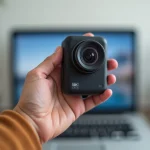
Picture this: you’re scaling a rock face, capturing the stunning view with your action camera. Suddenly, your mount fails, and your camera tumbles. Frustrating, right? Choosing the right action camera mount adaptor is vital for protecting your equipment and getting those perfect shots. This guide will explore everything you need to know, from different types of adaptors to selecting the best one for your needs. You’ll gain valuable insights into choosing the right adaptor, improving your videos, and maximizing the potential of your action camera. This post will help you avoid costly mistakes and get you ready for your next adventure.
Key Takeaways
- Action camera mount adaptors come in many types, each suited for a specific activity or mounting surface.
- Understanding the different materials used in adaptors will help you choose one durable enough for your needs.
- Consider the camera’s weight and the forces exerted during your activities when selecting an adaptor.
- Properly attaching the adaptor to your camera and the mounting surface is critical for preventing accidents.
- Regularly inspecting your action camera mount adaptor can ensure it’s still safe and functional.
- Learning about common issues will allow you to avoid them and keep your equipment secure.
Different Types of Action Camera Mount Adaptors
The market has a wide array of action camera mount adaptor options. Choosing the correct type is the first step toward a successful mounting experience. Several factors, including the type of activity, the mounting surface, and the camera’s features, will influence your decision. These adaptors are the essential link between your action camera and a broader system, helping you to record your adventures safely and effectively.
Adaptor Types for Varied Activities
Different activities demand different mounting solutions. For instance, cycling calls for a handlebar mount, while surfing requires a waterproof adhesive mount. Consider your typical activities when selecting the right adaptor. Choosing an unsuitable adaptor may result in a precarious setup that can lead to equipment damage, injury, or, worst case, loss of precious video footage. Take your time to explore the many options available and choose the adaptor type that suits your needs.
- Handlebar Mounts: These are generally used for cycling and motorcycling, attaching to handlebars or other similar cylindrical structures. They are usually adjustable for different handlebar sizes and provide a stable platform for recording.
- Helmet Mounts: These are ideal for sports like skiing, snowboarding, and skateboarding. They securely attach to helmets, giving a first-person perspective.
- Chest Mounts: Chest mounts are suitable for activities like hiking and running, providing a stable view while keeping your hands free.
- Wrist Mounts: Primarily designed for water sports, wrist mounts hold the camera close to your body and help with hands-free operation.
- Suction Cup Mounts: Suction cup mounts work great on smooth surfaces like car windshields or boat decks, offering a versatile mounting choice.
Handlebar mounts come in various designs, including clamps, straps, and quick-release mechanisms. They’re essential for cyclists wanting to document their rides or record their performance. These mounts also offer flexibility, allowing users to alter the camera’s angle for varied views. Properly fastened handlebar mounts give stability and freedom from worries during high-speed rides. Always ensure that the mount is firmly attached before starting your journey.
Helmet mounts provide a unique point-of-view that is very popular for action sports. They typically have adhesive bases or straps to guarantee a tight fit to the helmet. These mounts must be placed securely to avoid any mishaps during action. Always check that the helmet is the right size and that the adaptor is properly secured before recording. Helmet mounts bring immersive, hands-free video capabilities.
Chest mounts often provide a more stable and less shaky perspective when compared to helmet mounts. They give a good view of the environment, making them suitable for activities where hands-free operation is important. These mounts are often adjustable, accommodating various body types and clothing layers. Choose a chest mount that is comfortable and secure to make sure that the camera remains stable and in place during vigorous activities.
Wrist mounts offer a convenient way to record activities while maintaining free movement. They’re often made with adjustable straps to comfortably fit a wide range of wrist sizes. Wrist mounts are usually waterproof to meet the demands of water-based activities. It is important to inspect the straps and the camera attachment before usage to avoid accidental camera loss. Wrist mounts are an efficient way to capture dynamic footage.
Suction cup mounts offer a fast way to install an action camera on flat, smooth surfaces. They are ideal for vehicle recording or capturing shots from a stable viewpoint. Always ensure the surface is clean and smooth for optimal adhesion, and regularly check the suction power during use to prevent accidental detachment. Suction cup mounts give adaptable recording options for a variety of conditions, giving a secure and dependable mounting solution.
Key Materials and Their Uses
The material used to construct an action camera mount adaptor significantly impacts its strength, durability, and overall suitability. The materials should withstand environmental factors, such as temperature extremes, sun exposure, and saltwater. Knowing what materials are used and their features will help you pick an adaptor that can endure the difficulties of your activities.
- Plastic Adaptors: These adaptors, often constructed from durable plastics like polycarbonate, are cost-effective and light. They are a popular option for everyday use because of their light weight, making them simple to attach and carry. Plastic adaptors can still function well for many activities if used within their specifications.
- Aluminum Adaptors: Aluminum adaptors are strong, long-lasting, and ideal for demanding applications. Aluminum’s strength-to-weight ratio is especially useful for activities where weight is a consideration. These adaptors are less prone to breaking than their plastic equivalents, even under duress.
- Stainless Steel Adaptors: Stainless steel adaptors give extreme durability and corrosion resistance, making them ideal for water-related activities and rough settings. They are very sturdy and have a long lifespan, which makes them ideal for prolonged use in hard situations.
Plastic adaptors, particularly those made of polycarbonate, are known for their great impact resistance. They are strong enough to endure typical wear and tear without losing functionality. However, plastic may be more prone to degradation over time and with exposure to UV rays. Examine the plastic adaptors frequently and replace them as needed to ensure the camera’s security.
Aluminum adaptors typically give superior durability and better resistance to damage than plastic adaptors. Their sturdy construction is suitable for demanding activities and is less prone to cracking or breaking. Anodized aluminum adaptors have increased corrosion resistance and can tolerate harsh weather conditions. The price of aluminum adaptors is typically greater than that of plastic ones, but the improved durability justifies the investment for more demanding use cases.
Stainless steel adaptors are extremely resistant to corrosion, making them excellent for use in environments like marine settings where saltwater exposure is typical. Their strong construction means they can withstand significant stresses and strains, making them suitable for rugged activities. The high durability of stainless steel makes it the ideal material for high-impact activities. These adaptors are often more costly, but they are an excellent investment if you require the highest degree of reliability and protection.
Action Camera Adaptor Compatibility
It’s important to make sure the adaptor you select is compatible with both your action camera and the mounting equipment you’re using. Compatibility problems can lead to security issues, performance issues, and the need to make modifications. Checking your devices before purchasing can save you time, money, and needless difficulties.
Camera Connection Points and Interfaces
Action cameras use various connection points and interfaces to attach to adaptors. The most popular interfaces are the two-prong GoPro-style interface and the standard 1/4″-20 threaded screw. Knowing what kinds of interfaces are available will help you locate the appropriate adaptor for your camera. Additionally, ensure the adaptor’s connection is secure to avoid unintentional camera detachment.
- GoPro-Style Two-Prong Interface: This is the most popular interface for action cameras, particularly those from GoPro and other well-known brands. It is characterized by two prongs that insert into a corresponding adaptor.
- 1/4″-20 Threaded Screw Interface: This is a standard screw size used in the photography industry, providing compatibility with a wide range of tripods and mounting accessories. Many action cameras feature a 1/4″-20 threaded mounting point on their underside, making it easier to attach them to tripods and other accessories.
- Other Proprietary Interfaces: Several action camera brands use their interfaces. Adaptors must be specially created to work with these connectors.
The GoPro-style interface provides a safe and secure connection. It supports many accessories, including handlebar mounts, helmet mounts, and chest mounts. Adapters for this style are generally easily accessible and adaptable for a wide range of mounting configurations. Before usage, double-check that the prongs are securely fastened and locked.
The 1/4″-20 thread provides a flexible connection option for your action camera, enabling it to be attached to various mounting systems. This screw type provides a secure attachment, making it suitable for usage with various tripods, monopods, and other accessories. Make sure the screw is tightened correctly to ensure your camera is secure and avoid accidental detachment.
Proprietary interfaces are used by some brands to give a unique mounting system. It is important to know the interface type your camera uses to ensure compatibility with your accessories. When purchasing accessories, be sure they are compatible with your specific camera model. If you are unsure, consult the manufacturer’s directions or ask the store.
Matching Adaptors to Mounting Systems
Your action camera adaptor must also be compatible with the mounting system you’re utilizing. This guarantees that your camera is safely and properly installed. There are many mounting systems on the market, ranging from suction cups to adhesive mounts. When choosing an adaptor, consider the type of mounting system you’ll use and choose an adaptor that fits well.
- Handlebar Mount Adaptors: These adaptors connect to bicycle handlebars, motorcycle handlebars, and other cylindrical objects.
- Helmet Mount Adaptors: These adaptors are used to attach cameras to helmets, giving a first-person point of view. They typically have adhesive bases or straps to secure them to the helmet.
- Suction Cup Mount Adaptors: These adaptors attach to smooth surfaces like car windshields or boat decks, offering a versatile mounting option.
Handlebar mount adaptors are available in various styles, including clamps, straps, and quick-release mechanisms. When choosing an adaptor, ensure that it is compatible with the diameter of the handlebars you are using. Adaptors should be robust and provide a secure fit to avoid camera shaking or dropping. Handlebar mount adaptors are excellent for shooting while riding.
Helmet mount adaptors are available in a variety of designs, including curved and flat adhesive mounts. Before installing, ensure the mounting surface is clean and level. Check the security of the mount frequently, especially during high-impact sports. Helmet mounts allow users to document their experiences while keeping their hands free.
Suction cup mount adaptors are suitable for usage on smooth surfaces and are often used for car recording. Always verify that the surface is clean and smooth for optimal adhesion, and frequently check the suction’s power. It is advisable to use a safety tether in high-risk situations. Suction cup adaptors provide adaptability for varied recording situations.
Preventing Issues: Installation and Safety Tips
Proper installation and safety measures are important for preventing accidents and ensuring the long life of your equipment. It is critical to take your time and follow the manufacturer’s guidelines while installing the action camera mount adaptor. Additionally, regular maintenance can ensure the dependability and safety of the equipment.
Step-by-Step Installation Guides
Correct installation is necessary to ensure the camera’s stability and avoid equipment damage. Before starting, carefully read the manufacturer’s instructions. Incorrect installation might result in camera detachment during an activity, leading to video loss or damage to your camera.
- Prepare the Surface: Before connecting an adhesive mount, clean the mounting surface with rubbing alcohol to remove dust and oil. Allow it to dry completely.
- Attach the Adaptor: Attach the adaptor to the camera using the appropriate interface (e.g., screw, prong). Ensure it is securely fastened.
- Position the Mount: Position the mount on the intended surface and check that it’s in the correct position for your desired shooting angle.
- Apply the Mount: For adhesive mounts, press firmly onto the surface for the recommended time (e.g., 30 seconds).
- Test the Mount: Before you start your activity, check the security of the setup by gently tugging on the camera and adaptor.
Cleaning the surface ensures the adhesive sticks properly, preventing the mount from falling off. A clean surface provides a solid foundation for the mount, resulting in a safer and more secure installation.
A secure connection is essential for camera stability. Double-check all connections to ensure everything is tight. If the camera isn’t securely connected, it can shake or fall during usage. Make sure all screws are tightened appropriately.
Correct positioning guarantees you capture the footage you need. Ensure your camera is oriented in the right direction and that the shot is framed appropriately. Take your time to get the perfect angle before installing the mount.
Applying adequate pressure ensures the adhesive bonds effectively. This is particularly crucial for adhesive mounts because they must withstand external forces during use. Apply uniform pressure over the whole surface to ensure optimal adhesion.
Testing the mount verifies that it will withstand usage. If the setup feels shaky or unstable, adjust the installation. If the camera detaches during activity, it can cause harm to the equipment. After installation, always do a brief test.
Safety Checklist and Best Practices
Following safety recommendations helps reduce the risk of accidents and protects your equipment. Regular inspections and maintenance will ensure that your mount is always ready to go. Before each usage, conduct a quick safety check, and always be aware of your environment.
- Regular Inspections: Examine your action camera mount adaptor and mounting equipment regularly for signs of wear and tear, such as cracks, loose screws, or damaged components.
- Check for Compatibility: Double-check that all components are compatible with your camera and mounting equipment before each usage. Make sure the adaptor’s connection is secure and that no components are missing or damaged.
- Environmental Considerations: Know the environmental factors that might affect your mount, such as heat, cold, and wet conditions. Use adaptors designed for such conditions.
- Use Safety Tethers: If feasible, use safety tethers to connect the camera to the mounting system or a secure location, especially in high-risk scenarios. This extra safeguard will prevent camera loss if the mount fails.
Regular inspections are essential to identify any potential problems before they lead to accidents. Examine the mounting gear carefully. Replace any damaged or worn components immediately to maintain the system’s structural integrity. These inspections guarantee a safe and dependable setup.
Confirming compatibility prevents mishaps and ensures proper performance. Ensure that all pieces are suited for the planned use. Check the connections to make sure they are secure. This step will help you prevent any compatibility concerns and guarantee your equipment’s proper operation.
Environmental variables might affect the performance of your mount. For example, high temperatures may cause adhesive mounts to weaken, and cold weather can make plastic components brittle. If your environment demands it, select materials that are suited for use in such conditions. Knowing the effects of the weather is critical for your camera’s safety.
Safety tethers give an extra layer of protection, especially in scenarios where the mounting system may fail. Attach the tether to both the camera and a secure location, like the mounting equipment or your body. If the mount detaches, the tether will prevent the camera from falling, protecting it and saving your video footage.
Common Problems and How to Solve Them
Despite careful planning, problems might occur while using an action camera mount. Knowing these typical issues and how to handle them can save you time, money, and annoyance. Quick troubleshooting can fix many problems.
Common Issues and Solutions
Recognizing the most typical issues can help you to fix problems quickly and efficiently. These issues are easy to avoid with some basic troubleshooting. Examine your setup carefully if something goes wrong.
- Mount Detachment: This may be caused by an incorrect installation, an unsuitable surface, or environmental conditions.
- Camera Wobble or Vibration: This may occur because of a loose connection or a mount that is not suited for the activity.
- Compatibility Issues: If adaptors are not compatible with the camera or the mounting system, performance problems might occur.
- Adhesive Failure: This might occur because of an inappropriate surface, heat, or wear and tear.
To avoid mount detachment, use a proper installation process. Make sure the surface is clean and appropriate for the mount type. Use adaptors that can withstand environmental variables, such as heat or cold. Check your setup frequently, especially during challenging circumstances.
To reduce camera wobble, double-check that all connections are tight. Use adaptors designed for the activity. For example, use a chest mount instead of a helmet mount for running. Before each usage, inspect the setup and verify that it is stable.
Always verify the compatibility of adaptors and mounting systems. Check the manufacturer’s recommendations. Try all components before use to ensure they function appropriately. If compatibility concerns occur, seek help from the manufacturer or a specialist.
To avoid adhesive failure, prepare the surface with rubbing alcohol. Use high-quality adhesives designed for the circumstances. In extreme temperatures, consider utilizing a mechanical mount. Replace adhesive mounts as needed to guarantee optimal performance.
Troubleshooting Guide
When you run into problems, it is important to troubleshoot the situation systematically. This approach enables you to quickly identify and correct the problem. Following these steps can help solve common action camera mount adaptor problems.
- Examine the Connection: Verify the camera’s connections to the adaptor and the adaptor to the mounting surface. Make sure everything is properly tightened and fastened.
- Examine the Mounting Surface: Examine the mounting surface for dirt, oil, or other impurities that may have an effect on the mounting system. If there are any impurities, clean the surface.
- Check for Wear and Tear: Examine the adaptor and mounting equipment for any indications of wear and tear, such as fractures, deformities, or broken parts. Substitute any damaged components.
- Evaluate the Environment: Take into account the environmental circumstances, such as temperature, humidity, and the type of activity. Adapt or replace the mount as needed.
A loose connection is the source of many problems. Carefully inspect all connections to make sure they are secure. Tighten any loose screws. If the connection continues to be problematic, disassemble and rebuild the mounting system, making sure each part is positioned correctly.
Clean surfaces are essential for adhesive mounts. Clean any dirt or debris that might interfere with the adhesive’s connection. Use rubbing alcohol to properly prepare the surface. A clean surface gives a strong bond for the mounting system.
Worn-out components can compromise the safety and performance of the mounting system. Look for indications of wear, such as fractures or missing pieces. If any components are damaged, replace them. To ensure the integrity of your mounting system, perform routine maintenance.
Environmental conditions affect the performance of your mounting equipment. For example, high temperatures may cause adhesives to fail. If you’re utilizing the system in unusual weather, choose the appropriate materials. Modify your setup as needed to account for environmental factors.
Common Myths Debunked
There are numerous myths about action camera mount adaptor usage, causing uncertainty and possible dangers. Separating fact from fiction can help you make educated choices and avoid typical errors.
Myth 1: All Mounts Are Created Equal
Reality: Not all mounts are made the same. Some are better for specific tasks or environments.
There is a wide variety of adaptors available, each built for a certain task. For instance, a suction cup mount is more appropriate for smooth surfaces. Handlebar mounts are great for cycling. Choosing the right mount for your activities helps to ensure a safe and successful recording experience. Before using any mount, make sure it is suitable for your purposes.
Myth 2: More Expensive Mounts Are Always Superior
Reality: Cost does not necessarily equal quality. You need the right mount, and sometimes cheaper options are sufficient.
While some costly mounts give greater durability and features, that doesn’t mean they’re always required. Consider your needs and select an adaptor that meets them. A simple plastic mount may suffice if you are not engaging in high-impact activities. Consider the materials and the intended application. Focus on quality, not just pricing.
Myth 3: You Can Use Any Adhesive On Any Surface
Reality: Adhesives vary, and some surfaces don’t work with adhesives. Choose appropriate adhesives.
Different adhesives have different uses. Some adhesives are made for flat, smooth surfaces, while others are suited for tough environments. Before using any adhesive, double-check that it is compatible with the surface. Consider the suggested temperature range and the surface’s condition. Proper preparation and selecting the correct adhesive are essential for a safe and dependable connection.
Myth 4: Tethers Are Unnecessary
Reality: Tethers can save your camera from loss and damage if your mount fails.
Safety tethers provide an essential layer of security. They prevent the camera from falling if the mount breaks. Always connect your camera to the mounting system or a safe location, especially in high-risk activities. Tethers are an affordable, simple way to avoid costly damage and lost footage. Adding a tether is an intelligent, preventative step that can save your camera from damage.
Myth 5: It’s Okay to Ignore Instructions
Reality: Following instructions is important for a safe and secure installation.
Each adaptor is unique, and installation procedures vary. Carefully read the manufacturer’s instructions before using. If you have any concerns, ask the manufacturer or a professional. Ignoring the instructions may result in improper installation and equipment damage. Taking the time to read the directions guarantees the secure and effective functioning of the mounting system.
Frequently Asked Questions
Question: What is the most common mounting interface?
Answer: The most common mounting interface for action cameras is the GoPro-style two-prong interface.
Question: Can I use an adhesive mount in cold weather?
Answer: It is essential to choose an adhesive made for cold weather and to prepare the surface carefully. Cold temperatures can affect the adhesive’s performance.
Question: How often should I check my mount?
Answer: Always check your mount before each usage, particularly if you are engaging in a rigorous activity or if the mount has seen a lot of wear and tear.
Question: What should I do if my mount gets wet?
Answer: If your mount gets wet, clean and dry it thoroughly before using it again. If the mount is an adhesive type, make sure it is still adhering properly.
Question: Are there universal adaptors?
Answer: Some universal adaptors are available, but they may not be ideal. It’s often safer to choose adaptors designed for your camera and mounting system.
Final Thoughts
Choosing the correct action camera mount adaptor can make a big difference in capturing stunning video and protecting your equipment. Knowing the various types of adaptors, the materials used, and compatibility considerations will help you make the right choice. Proper installation, safety precautions, and troubleshooting abilities will maximize your camera’s longevity and performance. Remember to always inspect your equipment, follow safety guidelines, and address any potential problems promptly. By following the advice, you will be well-equipped to use your action camera mount safely, ensuring you capture every moment without worry. So, get out there, explore, and record your memories with confidence!